


 English
  Français
  عربى
عربى 
Industry News


Why Drop Testing Matters For Electrical Equipment Durability
2026-08-28
Electrical equipment can experience mechanical stress long before installation begins. During packing, movement, loading, unloading and placement, a product may receive an unexpected impact or be placed against a hard surface. Small structural changes may not always be visible from outside, especially when internal parts are closely arranged.
For electrical products, physical protection matters because housing and internal components work together. A strong outer shell can help protect internal parts, while secure internal fixing helps prevent movement during handling. Once a component shifts from its intended position, later assembly or operation may be affected.
A Drop Test provides a controlled way to observe how a product responds to an impact. Rather than relying only on visual checks after transportation, manufacturers can use controlled handling tests to look for weak points in housing structures, fixing methods and internal connections.
Mechanical inspection is already recognized as an important part of electrical equipment checking. Guidance for circuit breakers includes inspection of physical condition, mounting, alignment and mechanical operation, showing that electrical evaluation is not limited to electrical measurements alone.
Handling risks can come from several stages:
- Movement between production areas
- Packaging and unpacking
- Loading and unloading
- Transportation
- Positioning during installation
- Accidental contact with hard surfaces
Each stage places different demands on the product structure. A unit that appears undamaged after handling may still require closer inspection when internal components are important to normal operation.
For that reason, Electrical Equipment Testing can include both mechanical and functional observations. Physical condition provides one part of the picture, while later operation checks can help identify problems that are not obvious from appearance alone.
What Can A Drop Test Reveal About Product Structure
A controlled drop test is useful because impact produces a clear event that can be examined afterward. Attention can be given to the outer housing first, followed by mounting points, internal fixing areas and movable parts.
Visible damage may include cracks, deformation, broken sections or loose covers. Internal changes can be less obvious. A component may shift slightly, a fixing point may loosen, or a connection may experience mechanical stress without creating an immediate external mark.
Such observations can help manufacturers review whether the structure provides enough protection during ordinary handling. The purpose is not simply to see whether a product falls without breaking. A more useful question concerns whether important parts remain in their intended positions after mechanical stress.
For example, an electrical enclosure may protect internal components from direct contact with an outside surface. During impact, energy travels through the housing and its fixing points. Internal parts then experience part of that force according to their position and method of attachment.
| Inspection Area | Possible Observation |
|---|---|
| Outer housing | Cracks, deformation or loose sections |
| Mounting points | Movement or damaged fixing areas |
| Internal components | Shifted or loosened parts |
| Connections | Signs of mechanical disturbance |
| Moving parts | Unusual resistance or movement |
| Covers and closures | Poor fit or separation |
A visual check can provide an initial indication, although mechanical condition and operating function may need separate confirmation. Circuit breaker inspection guidance, for example, includes physical condition together with checks of mechanical operation and internal alignment.
Such separation between visual and functional inspection is useful during production. A product may pass an appearance check while still requiring additional examination before it can be considered suitable for further processing.
How Does Impact Affect A Circuit Breaker
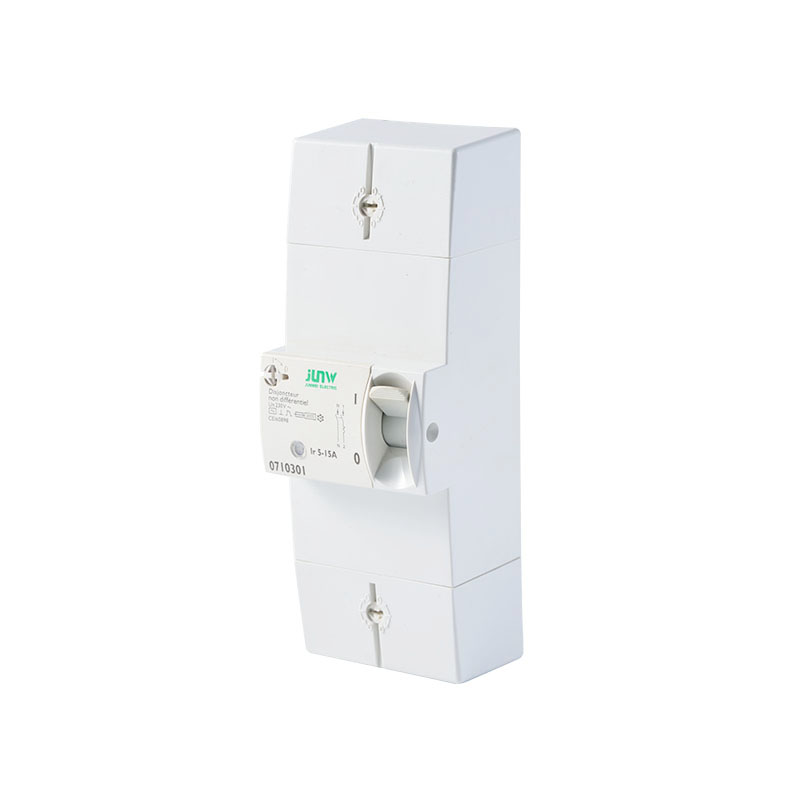
A Circuit Breaker contains an outer structure together with internal parts that need to remain correctly positioned. Mechanical impact can place stress on the housing, fixing points and operating mechanism, making structural inspection relevant after transportation or handling.
An outer case may receive the direct force of an impact, while internal parts respond to the movement of the surrounding structure. Connections and moving components need to remain properly positioned so that normal operation is not affected.
Mechanical inspection of circuit breakers commonly considers physical condition, anchorage, alignment and operating movement. Such checks illustrate why structural condition deserves attention alongside electrical testing.
Several areas may be reviewed after a significant handling event:
Housing Condition
Cracks, deformation or loose sections can indicate that the outer structure has absorbed substantial mechanical stress.
Internal Position
Parts that have shifted from their intended location may affect later assembly or movement.
Operating Mechanism
A mechanism that feels different during operation may require further inspection rather than being returned directly to normal production.
Connection Areas
Mechanical movement can place stress on connection points, especially where parts depend on fixed alignment.
Such checks do not replace electrical testing. Instead, mechanical inspection can identify conditions that need attention before electrical evaluation continues.
Why Is Drop Testing Relevant To Home Electrical Breakers
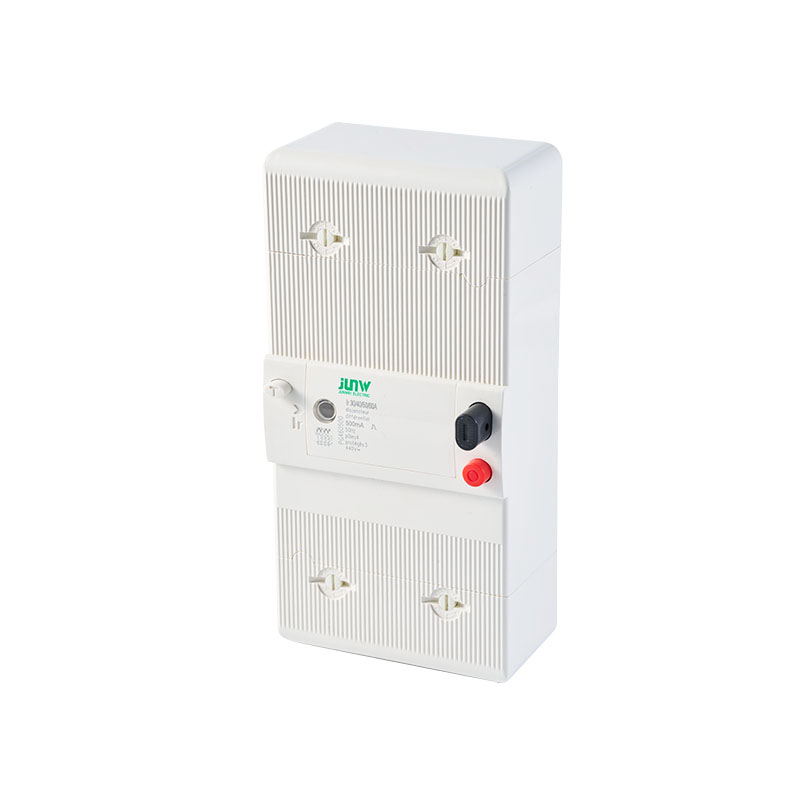
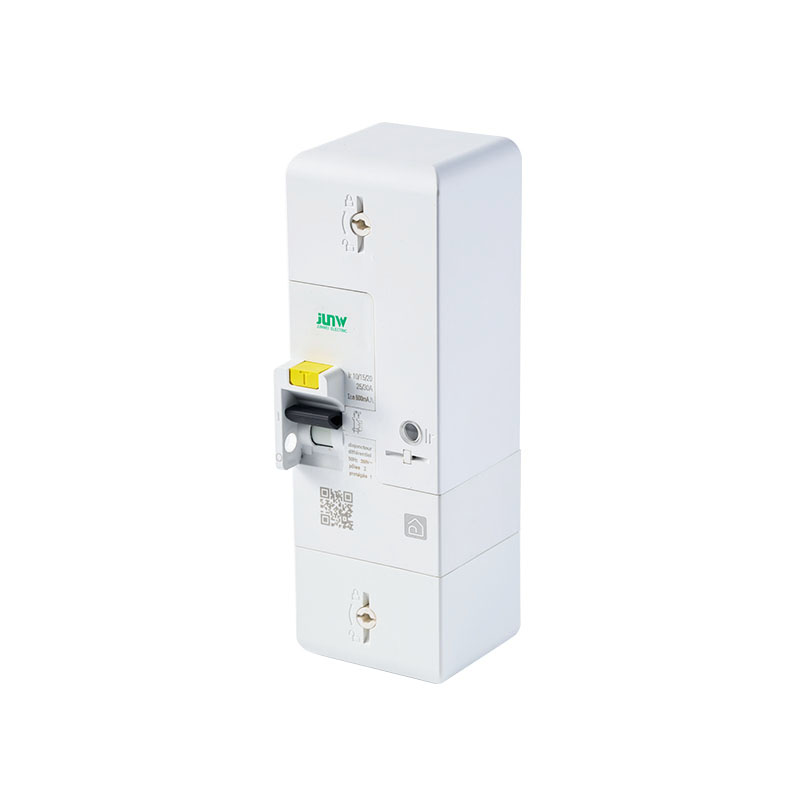
A Home Electrical Breaker may pass through several handling stages before reaching its final installation position. Packaging helps reduce exposure to impact, although accidental drops or rough handling can still occur during movement and installation.
Compact electrical products often contain several closely arranged components inside a protective housing. A small change in internal position may therefore deserve attention even when the outer case shows little visible damage.
For residential electrical equipment, installation also introduces mechanical considerations. Mounting surfaces, fixing points and enclosure arrangements need to remain compatible with the product structure. A damaged mounting section can make installation difficult, while a distorted housing may affect how internal parts fit together.
Drop testing can help production teams examine such conditions under controlled circumstances. Rather than waiting for transportation feedback from the field, manufacturers can use testing to identify structural weaknesses during product development and quality control.
A sensible inspection sequence can follow:
Impact → Visual inspection → Structural check → Mechanical operation check → Further testing when required
Such a process keeps the focus on physical protection without making unsupported claims about product performance.
Mechanical durability is therefore connected with more than the strength of an outer case. Internal fixing, component positioning and mounting structure all contribute to how an electrical product responds to handling.
How Can Different Electrical Products Respond to Impact
Electrical products do not have the same internal arrangement, so mechanical impact can create different concerns from one product to another. Housing shape, component position, mounting method and internal space all influence how force travels through a product.
A Miniature Current Breaker may have a compact housing with closely arranged internal parts. A sudden impact can therefore make the position of small components worth checking, even when no obvious external damage appears. Inspection of physical condition and mechanical operation is commonly treated as part of circuit breaker evaluation.
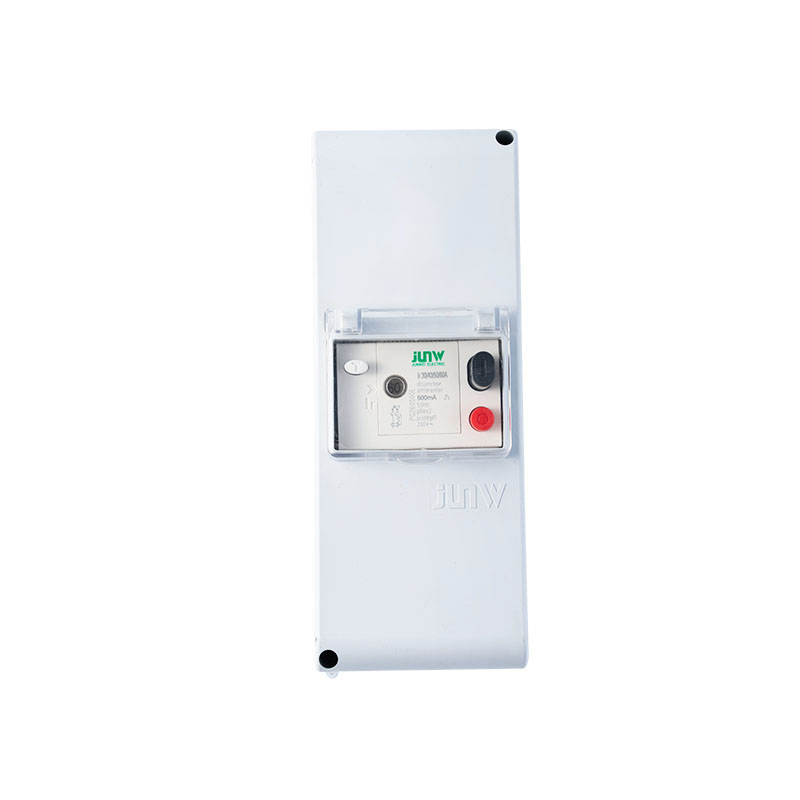
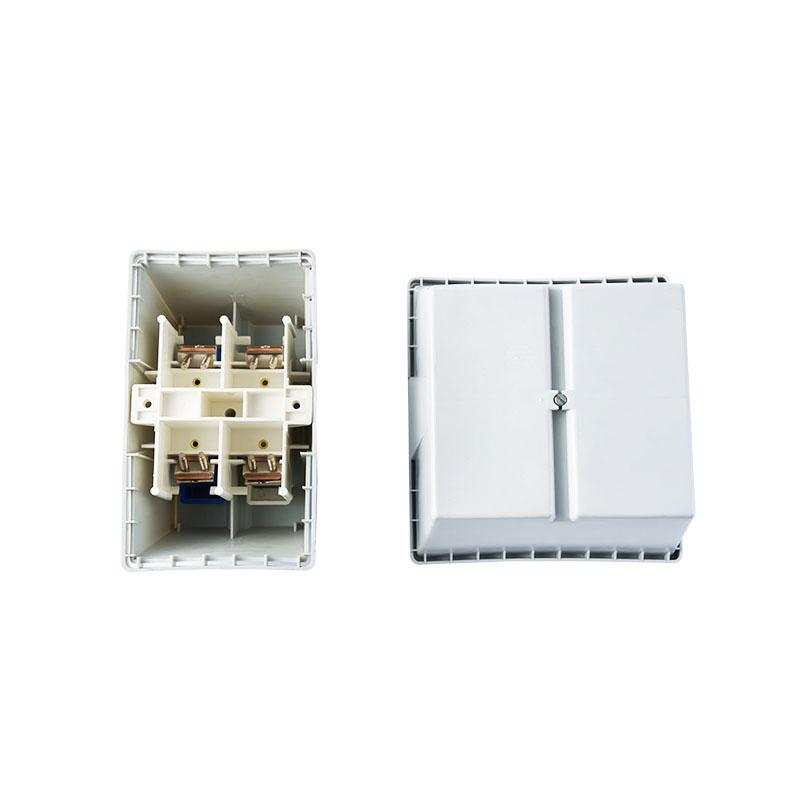
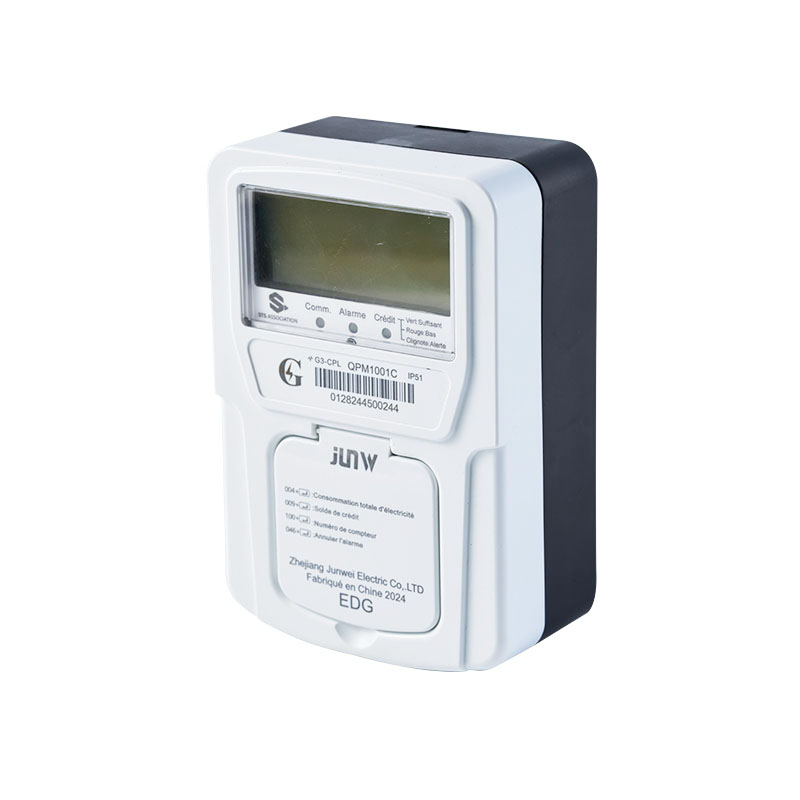
A Meter Box presents a different structural situation. Its enclosure provides physical protection for electrical equipment while also forming part of the installation structure. Impact around corners, covers or mounting areas can affect how the enclosure closes or attaches to its supporting surface.
| Product Type | Main Structural Concern During Impact |
|---|---|
| Circuit Breaker | Housing and internal component position |
| Home Electrical Breaker | Housing integrity and mounting structure |
| Miniature Current Breaker | Compact internal parts and connection stability |
| Meter Box | Enclosure, mounting points and internal arrangement |
Different construction methods mean that one inspection approach cannot cover every product in exactly the same way. A compact breaker may need closer attention to internal positioning, while an enclosure may require more attention around hinges, covers, mounting points and protective sections.
Mechanical impact can also affect moving parts. A handle, latch or operating mechanism may appear intact while developing unusual resistance after a strong shock. Functional inspection can help identify such changes before a product moves further into installation or use.
How Does Drop Testing Support Circuit Breaker Quality Control
A Drop Test becomes more useful when treated as part of production quality control rather than as an isolated laboratory exercise. Test results can reveal weaknesses in housing design, component fixing, assembly methods or packaging arrangements.
Circuit Breaker Quality Control normally involves more than checking electrical characteristics. Physical and mechanical condition, anchorage, alignment and smooth operation are all recognized areas of inspection for circuit breakers.
A controlled impact can provide production teams with information that ordinary visual inspection may not reveal. For example, repeated movement around a mounting point may suggest that the structure needs review, while recurring damage around a housing section may indicate that packaging does not provide enough protection during handling.
A useful production feedback path can look like:
Test → Inspect → Record → Review → Adjust → Retest
Such a process helps connect testing with manufacturing decisions. When a similar structural problem appears repeatedly, engineers and production personnel can examine the relevant assembly step instead of treating each damaged unit as an isolated case.
Packaging also becomes part of the discussion. A product may have an appropriate internal structure while still being vulnerable during transport because the surrounding packaging allows excessive movement. Testing can therefore help distinguish between product‑related weakness and handling protection.
Quality control can consequently involve several connected areas:
- Product structure
- Component fixing
- Assembly consistency
- Packaging protection
- Handling procedures
- Post‑test inspection
Keeping those areas connected makes test results more useful for production improvement.
What Should Be Checked After a Drop Test
Post‑test inspection should begin with the external condition, followed by closer attention to mechanical parts and internal structure where necessary. A cracked enclosure, distorted cover or loose mounting section can provide an immediate indication of impact.
Internal inspection can focus on whether components have shifted from their intended positions. For products containing moving parts, operation can also be checked for unusual resistance, sticking or changes in movement.
Circuit breaker inspection guidance includes physical and mechanical condition, anchorage, alignment and smooth operation among the areas that may be examined.
A practical inspection sequence may include:
- Check the housing for visible cracks, deformation or loose sections.
- Inspect mounting areas for movement or damage.
- Review internal component position where inspection is appropriate.
- Operate mechanical parts to identify unusual movement.
- Check connections when impact could have affected their position.
- Continue with suitable electrical checks where required.
Visual inspection alone should not be treated as proof that a product remains fully functional. Electrical integrity and mechanical operation may require separate checks. Circuit breaker maintenance guidance, for example, treats mechanical operation and electrical connection integrity as different inspection areas.
Such separation is useful because a product can have a clean exterior while still requiring additional evaluation.
How Can Test Results Improve Electrical Product Reliability
Testing creates value when findings return to the production process. A damaged unit provides information about the product, while repeated findings can provide information about the manufacturing system.
Electrical Product Reliability is influenced by design, material selection, assembly, inspection and handling protection. Drop testing focuses on one part of that chain: the ability of a product structure to withstand mechanical impact during controlled handling conditions.
Suppose a similar housing section develops damage during repeated testing. Production teams may review the shape, fixing method, surrounding support or packaging arrangement.
Such feedback can also influence assembly instructions. A component that needs precise positioning may require a clearer assembly check, while a housing that depends on secure fastening may need closer inspection before packaging.
Transport protection deserves attention as well. A product leaving the production line may encounter movement, vibration or accidental impact before reaching its installation location. Inspection guidance for electrical equipment commonly includes checking for shipping damage, loose components and mounting condition, showing the practical connection between transportation and later equipment inspection.
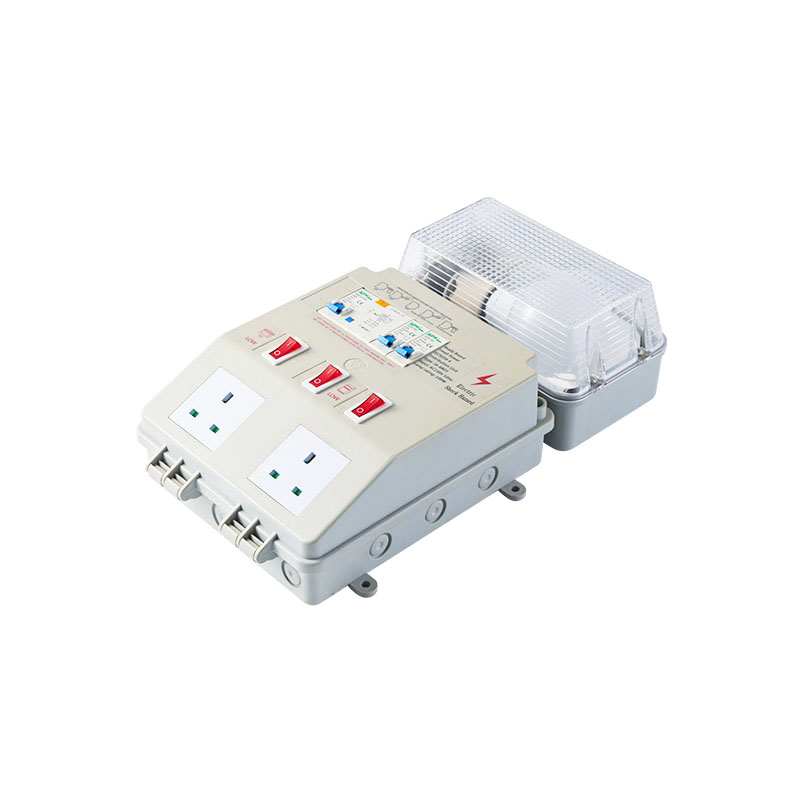
For a Circuit Breaker, mechanical protection therefore forms part of a wider quality process. A Miniature Current Breaker may require attention to compact internal arrangements, while a Meter Box may require closer examination of its enclosure and mounting structure. A Home Electrical Breaker also needs suitable protection during handling so that installation and later operation are not affected by avoidable mechanical damage.
Drop testing does not replace electrical inspection, functional checks or proper packaging. Its role is narrower and more practical: controlled impact can reveal structural weaknesses that may otherwise remain unnoticed until after transportation or installation.
When test findings are recorded and connected with design, assembly and packaging decisions, mechanical testing becomes part of an ongoing quality process rather than a single inspection step.
CONTACT
 Unit 2, Building 18, Phase II, Dongtou Emergency Industrial Park, Wenzhou, Zhejiang Province, China
 +86-13587789751
 junwei@jvele.com
KEEP IN TOUCH
Copyright © Zhejiang Junwei Electric Co., Ltd. All Rights Reserved
Record number:浙ICP备09058387号
Junwei Electric Component Manufacturer
