


 English
  Français
  عربى
عربى 
Industry News


What Tips Help Maintain Home Electrical Breaker Properly
2026-08-21
A home electrical system is rarely noticed when everything works normally. Lights turn on, kitchen appliances run, and sockets provide power without much thought. Attention usually comes when a breaker trips, a burning smell appears, or part of the house suddenly loses power. Regular attention to the electrical panel can help spot warning signs before a small problem develops into a larger one.
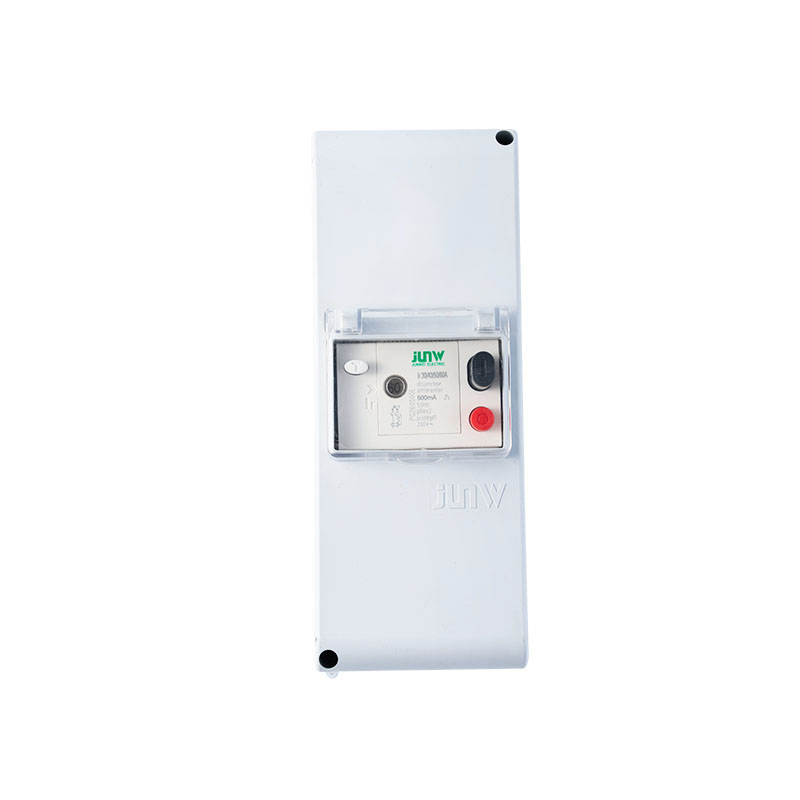
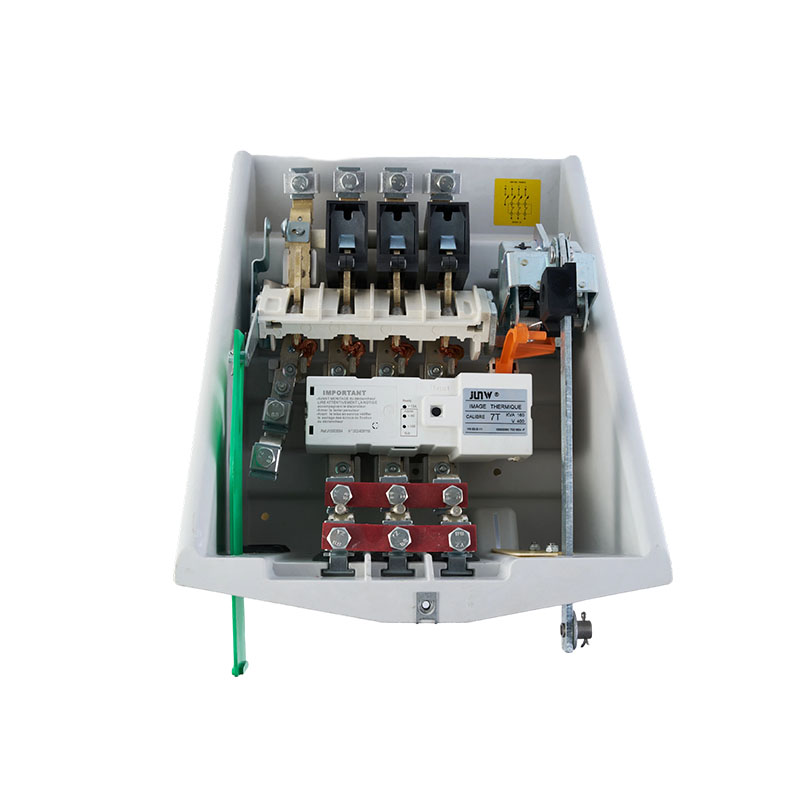
A Home Electrical Breaker has a protective role within household power distribution. When an electrical circuit carries an abnormal load or encounters a fault, the breaker can interrupt the power supply to that circuit. Such protection helps limit overheating and reduces the chance of damage spreading through connected wiring.
Changes in household habits also deserve attention. A home may gradually gain more appliances, heating equipment, cooking devices, or electronic products. Existing circuits may then face a different pattern of use from the one present when the electrical system was installed. Repeated breaker trips can be one sign that the circuit needs closer inspection.
Electrical Power Protection works well when household use and circuit capacity remain reasonably matched. Ignoring repeated interruptions or forcing a breaker to stay on does not solve the underlying problem. A breaker that repeatedly trips is giving useful information about what may be happening within the circuit.
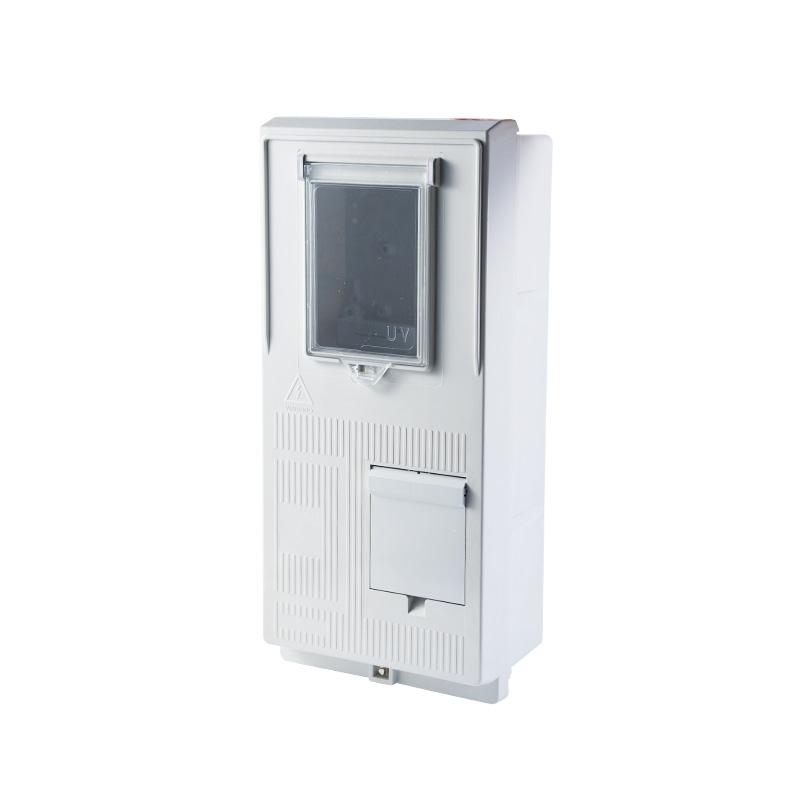
What Should Be Checked Around a Home Electrical Breaker
A visual inspection can be simple. Start with the area around the electrical panel rather than touching internal components. Dust, moisture, stored items, and other obstacles should not accumulate around the panel. Easy access matters during an electrical problem, especially when power needs to be switched off quickly.
Look at the visible surface of the enclosure and breaker switches. Cracks, loose covers, unusual discoloration, signs of moisture, or physical deformation should not be treated as normal wear. A strange smell or unusual sound also deserves attention.
Normal breaker operation generally feels consistent when a switch is operated. A switch that feels unusually loose, difficult to move, or physically damaged should not be forced. Internal electrical parts are not suitable for casual adjustment, even when the visible problem seems minor.
Circuit labels deserve attention as well. A clear label makes it easier to identify which area of the home is connected to a particular breaker. Labels can become inaccurate after remodeling, appliance changes, or wiring work. Keeping circuit information current supports safer decisions during an outage or maintenance task.
A useful visual check can follow a simple pattern:
- Keep the panel area dry and unobstructed
- Look for visible damage or discoloration
- Pay attention to unusual smells or sounds
- Check whether circuit labels remain clear
- Avoid removing covers or touching internal wiring
Small observations can provide valuable early warnings. Household electrical protection is not only about the breaker itself; surrounding conditions, connected equipment, and everyday usage also influence how a circuit behaves.
How Does Circuit Loading Affect Breaker Operation
Every household circuit has a practical limit. Running several power‑hungry appliances through the same circuit can increase the electrical demand placed on wiring and protective equipment. A breaker may interrupt the circuit when demand becomes too high for safe operation.
Problems often appear when appliance use changes without any corresponding change to the electrical arrangement. For example, a room that once supplied power to lighting and small household devices may later be used for additional heating, cooking, or other equipment. The breaker may then trip more often during periods of simultaneous use.
| Household Situation | Possible Sign | Recommended Attention |
|---|---|---|
| Several appliances run together | Breaker trips during use | Reduce the combined load and observe the circuit |
| One appliance repeatedly causes interruption | Power stops when the appliance starts | Stop using the appliance and arrange an inspection |
| Breaker trips without an obvious change in use | Unexpected power interruption | Check for a possible electrical problem |
| Panel area shows heat marks or discoloration | Visible abnormal condition | Avoid further handling and seek professional help |
A single interruption does not always point to the same cause. An appliance, wiring condition, connection problem, or excessive circuit demand may be involved. Repeated trips deserve more attention than an isolated event because repetition suggests that something in the electrical system needs to be checked.
What Should Homeowners Do When a Breaker Trips
When a breaker interrupts power, start by considering what was operating just before the interruption. Turn off or unplug appliances connected to the affected area where doing so can be done safely. Reducing the electrical demand may allow the circuit to return to normal when the problem was related to temporary overloading.
A breaker should not simply be reset again and again without considering why it tripped. Repeated resetting can leave the underlying condition unresolved. When the breaker trips again soon after being restored, stopping the reset cycle is a sensible safety measure.
Unusual smells, smoke, visible scorching, buzzing, excessive warmth, or signs of damaged wiring call for greater caution. In such circumstances, household users should avoid opening the electrical panel or attempting internal repairs. A qualified electrical professional can inspect the circuit and determine whether the breaker, connected equipment, or wiring requires attention.
Good breaker maintenance therefore starts with knowing when to observe and when to stop. Simple checks can support Electrical Power Protection, while internal electrical work should remain within the scope of trained professionals.
How Can Moisture and Physical Damage Affect Electrical Protection
The environment around an electrical panel can influence its condition over time. Moisture deserves particular attention because electrical equipment is intended to operate in a dry and stable setting. Water from leaks, condensation, cleaning activities, or nearby plumbing can create an unsuitable environment for electrical components.
A damp wall near the panel should not be ignored. Even when no immediate electrical problem appears, continued exposure to moisture may affect metal parts, insulation, and connections. Rust or visible corrosion around the enclosure can also indicate that the surrounding environment needs attention.
Physical damage presents another concern. A cracked cover, bent enclosure, loose mounting area, or damaged switch can affect how safely the equipment can be used. Moving furniture, renovation work, drilling, or accidental impact may cause damage that is not immediately obvious.
Some areas of a home require extra care:
- Utility areas where water pipes are nearby
- Kitchens where moisture and heat are common
- Garages or storage areas with changing environmental conditions
- Walls affected by leaks or condensation
- Locations where household items can strike or block the panel
Keeping the area clean does not mean spraying cleaning products directly onto the electrical equipment. Dry cleaning around the outside is generally more appropriate. Water should never be introduced into an electrical panel as part of routine cleaning.
A damaged enclosure or breaker should not be opened for casual inspection. Internal components can remain hazardous even when the main supply appears to be switched off. Visible damage is enough reason to arrange a professional inspection.
Which Routine Checks Support Electrical Power Protection
Routine checks do not need to become complicated household projects. A few simple observations made during normal home maintenance can help reveal changes in breaker behavior.
Pay attention to whether a particular circuit has started to interrupt power more often. Notice whether an appliance causes a breaker to trip shortly after being switched on. Check whether the panel area remains dry and unobstructed. Circuit labels can also be reviewed when household electrical equipment changes.
Some breakers or protective devices include a test function. Where such a function is provided, follow the instructions supplied for the installed equipment rather than experimenting with switches or internal parts. A test that does not behave as expected should be treated as a reason for professional checking.
Circuit information becomes especially useful after electrical modifications. Adding new outlets, changing appliance locations, or renovating a room can alter how household loads are distributed. Old labels may no longer describe the actual circuit arrangement, making troubleshooting more difficult during an interruption.
A simple maintenance habit can focus on four areas:
- Visual condition
Look for damage, moisture, discoloration, or other noticeable changes. - Operating behavior
Notice repeated trips, unusual sounds, or changes in switch operation. - Surrounding environment
Keep the panel accessible and away from water, clutter, and accidental impact. - Circuit information
Keep labels understandable when electrical changes are made.
Such checks support Electrical Power Protection without requiring homeowners to handle wiring directly. The purpose is to notice changes early and provide useful information when professional service is needed.
When Should a Home Electrical Breaker Be Checked by a Professional
Some signs should move a household electrical problem beyond routine observation. Repeated breaker trips are one example, especially when the interruption happens during ordinary appliance use. A circuit that suddenly behaves differently from its previous pattern also deserves attention.
Burning smells require caution. So do smoke, scorch marks, melted plastic, unusual buzzing, or noticeable heat around the panel. A breaker that feels loose or shows physical damage should not be forced into position.
Professional inspection is also appropriate when:
- A breaker trips repeatedly after being reset
- An electrical panel shows visible burning or heat damage
- Moisture has entered the panel area
- Wiring appears damaged or exposed
- A breaker cannot remain in its normal position
- New circuits or major electrical changes are required
Replacing a breaker may appear simple from the outside, yet the work involves more than changing a switch. The replacement needs to match the electrical system and the circuit arrangement. Incorrect handling can create additional safety problems.
Opening the panel cover also changes the level of risk. Parts inside may remain energized depending on the electrical arrangement. Homeowners can provide useful observations without taking apart the equipment, which gives an electrician a clearer starting point for inspection.
How Can Household Habits Support Long Term Breaker Condition
Breaker maintenance is closely connected with everyday electricity use. A household does not need to monitor the electrical panel constantly. More practical habits involve noticing changes, keeping the area accessible, and avoiding unnecessary strain on individual circuits.
Large appliances should be used with awareness of what else is operating on the same circuit. Extension arrangements should not become a permanent solution for supplying equipment that requires a suitable fixed circuit. Repeated use of overloaded connections can place additional stress on household wiring.
The electrical panel should remain easy to reach. Storing boxes, tools, cleaning supplies, or other objects directly in front of the panel can make an electrical interruption harder to manage. A clear area also makes visual inspection easier.
Circuit labels should be updated after electrical work. A label that no longer matches the actual circuit can cause confusion when power needs to be isolated. Clear identification supports safer maintenance and helps professionals trace a problem more efficiently.
Unusual breaker behavior should also be treated as useful information. A switch that trips repeatedly, a new sound from the panel, or a noticeable change in the condition of the enclosure may indicate a developing issue. Ignoring such changes can make later troubleshooting more difficult.
For ordinary household care, the basic approach is straightforward: keep the electrical panel dry and accessible, avoid unnecessary circuit loading, watch for visible changes, and seek professional assistance when abnormal conditions appear. A Home Electrical Breaker is one part of a wider household power system, so safe operation depends on the condition of connected wiring, appliances, and the surrounding environment as well.
CONTACT
 Unit 2, Building 18, Phase II, Dongtou Emergency Industrial Park, Wenzhou, Zhejiang Province, China
 +86-13587789751
 junwei@jvele.com
KEEP IN TOUCH
Copyright © Zhejiang Junwei Electric Co., Ltd. All Rights Reserved
Record number:浙ICP备09058387号
Junwei Electric Component Manufacturer
