


 English
  Français
  عربى
عربى 


Why Low Voltage MCB Is Common In Building Systems
2026-08-14
Electrical systems in buildings are divided into many separate circuits because lighting, sockets, appliances, and fixed equipment do not always work under the same load conditions. A protection device is therefore needed on each circuit to respond when current rises beyond a safe operating range.
Low Voltage MCB is commonly placed inside a distribution panel and connected with individual circuits. Its basic task is to interrupt the power path when excessive current appears. By separating an affected circuit from the rest of the installation, the device helps limit the effect of a fault and makes later inspection easier.
A building does not normally depend on one single circuit. Power moves through a distribution structure before reaching different rooms or equipment. Circuit separation allows a problem in one area to be dealt with without automatically removing power from every other area.
The role can be viewed through several everyday situations:
- A circuit may carry more load than its wiring can safely handle.
- A damaged appliance may cause an abnormal rise in current.
- A fault within wiring may create a direct path for current.
- A circuit may need to be switched off during inspection or repair.
Under such conditions, a breaker provides a controlled way to disconnect the affected line. Industry guidance describes MCBs as protective devices intended to guard building wiring against overload and short-circuit conditions.
The importance of circuit separation becomes clearer as buildings contain more electrical equipment. A small home may have separate circuits for lighting and sockets, while a larger building can divide electrical loads across many areas. Each branch requires protection that fits its wiring and intended use.
Why Is MCB Suitable for Building Electrical Circuits
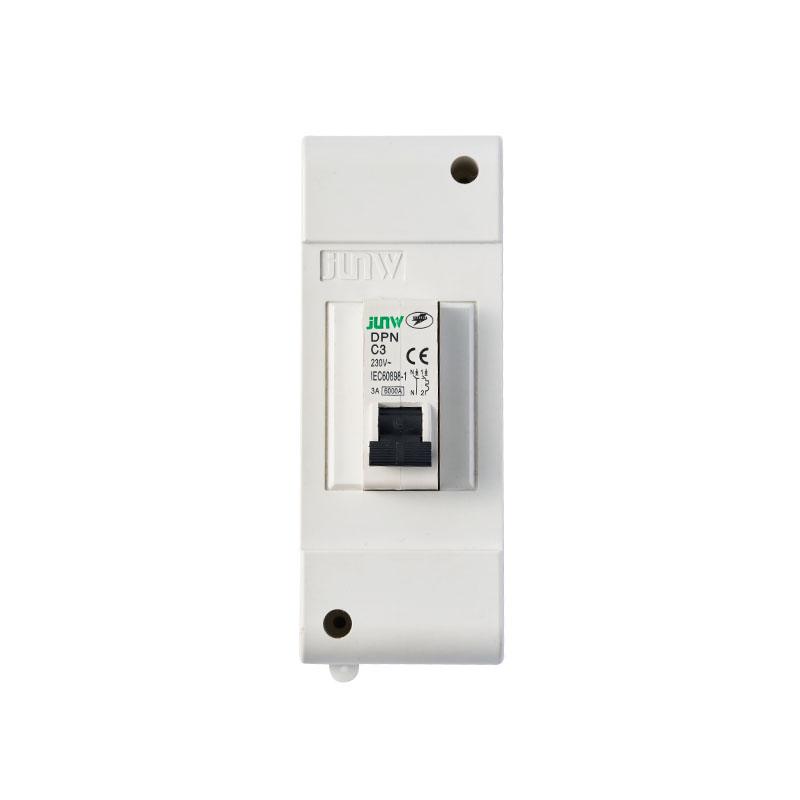
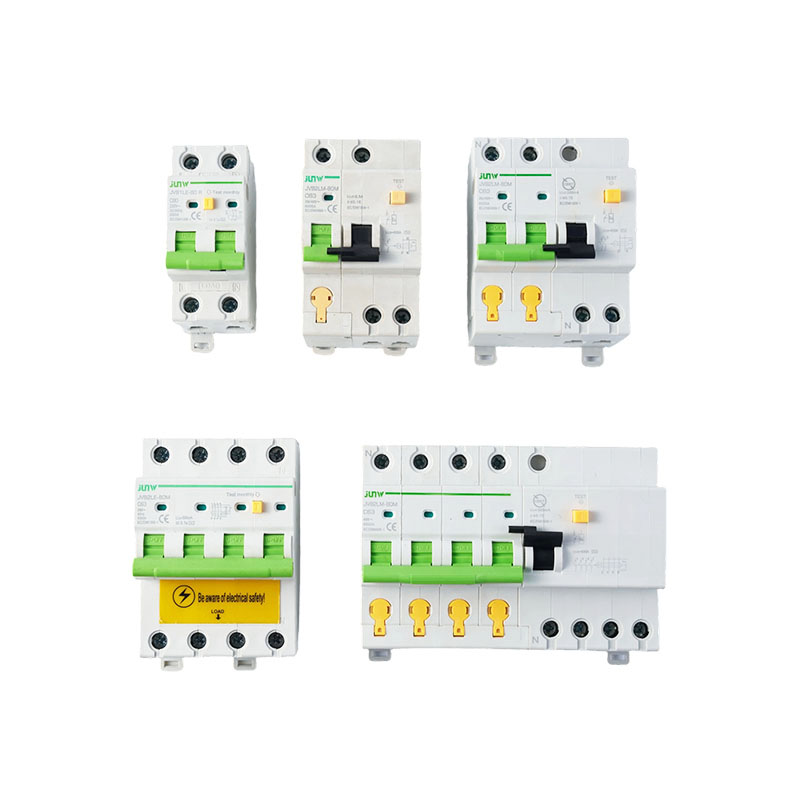
Building wiring needs protection that can fit into a distribution panel without taking up unnecessary space. MCB has a compact structure and can be arranged alongside other circuit protection devices, making it suitable for installations where many branch circuits share one panel.
A practical advantage comes from circuit-level protection. Rather than treating an entire building as one electrical load, installers can divide the system into manageable sections. Each section can then have its own protective device.
Such an arrangement supports easier fault tracing. When a breaker disconnects one branch, the location of the affected circuit can often be narrowed down by checking the equipment and wiring connected to that branch. Maintenance work can therefore follow the circuit structure rather than starting from the entire building.
Resettable operation also changes the way routine electrical faults are handled. After the cause of a trip has been identified and addressed, a breaker can generally be returned to service without replacing a separate fusible element. That characteristic suits buildings where electrical circuits are inspected and adjusted over time.
Another factor is the wide range of building layouts. Residential rooms, offices, shops, workshops, and public facilities can have very different circuit arrangements. A modular breaker system allows protection devices to be arranged around the structure of the distribution panel.
The choice still needs to match the wiring and electrical load. A compact size alone does not make a breaker suitable for every circuit. Protection has to correspond with the conductors, expected current, fault conditions, and installation requirements.
How Does a MCB Respond to Electrical Faults
Electrical faults do not all develop in the same way. An overloaded circuit may remain active for a period while carrying more current than intended, whereas a short circuit can produce a rapid change in current. A breaker therefore needs to react according to the nature of the abnormal condition.
During an overload, several electrical devices may operate on one circuit at the same time, placing a greater demand on the wiring. Heat can build up when excessive current continues through a conductor. A Low Voltage MCB responds by opening the circuit when the overload reaches the operating condition for which the device was designed.
Short-circuit conditions are different. A damaged connection or conductor can create a low-resistance path, causing current to rise sharply. The breaker responds much faster in such a situation, separating the faulty circuit from the supply.
| Electrical Condition | Possible Cause | Breaker Response | Building Concern |
|---|---|---|---|
| Normal operation | Regular use of connected equipment | Circuit remains connected | Continuous power supply |
| Overload | Too many loads on one branch | Circuit is interrupted | Excessive heating |
| Short circuit | Faulty connection or damaged wiring | Rapid disconnection | Wiring and equipment damage |
| Maintenance | Planned inspection or repair | Circuit is switched off | Safer access to the branch |
Such separation is important because a fault does not always originate from the breaker itself. Connected equipment, wiring connections, insulation condition, and changes made during building use can all affect circuit behavior.
For that reason, repeated tripping should not simply be treated as an inconvenience. It can indicate excessive load, a damaged appliance, a wiring issue, or another abnormal condition that needs inspection.
Why Is MCB Common in Home Electrical Breaker Panels
Residential electrical systems contain a mixture of lighting, sockets, kitchen equipment, heating devices, ventilation equipment, and other household loads. Running all of those loads through one undivided circuit would make fault isolation difficult and place greater demands on the wiring arrangement.
A Home Electrical Breaker panel therefore normally contains several branch protection devices. Each breaker is associated with a particular circuit, allowing different parts of a home to receive power through separately protected paths.
For example, lighting may be separated from general socket circuits. Fixed equipment can also have its own circuit where the electrical design calls for it. Such separation means an issue affecting one branch does not necessarily interrupt unrelated circuits.
Residential distribution panels are designed around the idea of dividing incoming electrical power into several circuits while monitoring abnormal conditions. Japanese residential electrical guidance similarly describes distribution panels as devices that divide incoming power among circuits and disconnect circuits when abnormal conditions occur.
Home use also creates changing electrical patterns. A room may have light loads during the day and several appliances running later. Circuit protection needs to account for such variations rather than assuming that electrical demand remains constant.
The growing variety of household equipment makes circuit organization increasingly important. Devices with different operating characteristics may behave differently when connected to the same branch. Separating circuits can make the electrical layout easier to inspect, maintain, and modify when household needs change.
A Home Electrical Breaker is therefore not simply a switch used to turn power on or off. Within a properly designed distribution arrangement, it forms part of a broader system for controlling and protecting individual electrical circuits.
How Does Circuit Separation Affect Building Maintenance
Circuit separation has a direct effect on maintenance work. When a breaker disconnects one branch, inspection can focus on the devices and wiring associated with that circuit. Other parts of the building may remain available for use when the electrical design allows it.
Clear circuit identification also matters. A panel with properly marked branches gives maintenance personnel a better indication of which area or equipment is connected to each breaker. Poor identification can make fault tracing slower and may increase the chance of switching off an unrelated circuit.
As buildings change, circuit layouts can also change. New appliances, room renovations, equipment replacement, and changes in building use may alter the electrical load placed on existing branches. Protection arrangements should therefore be reviewed when significant changes are made rather than treated as permanent regardless of how the building is used.
Low Voltage MCB remains common in building systems partly because its basic operating role fits such a modular approach: individual circuits can be protected, separated, inspected, and returned to service within a structured distribution system.
How Does MCB Support Commercial Building Wiring
Commercial buildings usually contain a wider mix of electrical circuits than a small residential property. Lighting, office equipment, kitchen facilities, ventilation, display systems, and fixed machinery may operate in different areas, so electrical distribution needs to follow the layout and purpose of the building.
Low Voltage MCB can be arranged around separate branch circuits, giving each section a defined protection point. A fault affecting one circuit can then be isolated without necessarily disconnecting unrelated areas. Such an arrangement also makes the electrical panel easier to relate to the physical layout of a building.
Circuit division becomes useful during maintenance as well. Electrical workers can identify the branch connected to a particular room or group of equipment, switch off the relevant circuit, and inspect the suspected source of the problem. Clear labeling and sensible circuit planning remain important parts of that process.
Changes in building use can also affect electrical demand. An office area may later contain more equipment, while a retail space may be rearranged for a different purpose. Existing circuits may need to be checked when the load or wiring arrangement changes. A breaker selected for an earlier installation should not automatically be treated as suitable after significant modifications.
Commercial electrical systems also need to consider how separate circuits interact. Poorly planned distribution can make a small fault affect a wider area than necessary. Proper circuit separation helps keep protection related to the section of wiring it serves.
What Makes MCB Installation Practical in Building Systems
Space inside a distribution panel is limited, particularly when many circuits need individual protection. A modular breaker format allows devices to be placed in an organized arrangement, while additional circuits can be incorporated when the panel design provides suitable space.
Installation also involves more than mounting a breaker. Conductors need to be connected correctly, circuit identification needs to remain clear, and the protective device needs to correspond with the circuit it controls. Loose connections, unsuitable wiring, or poor organization can create problems even when the breaker itself is functioning normally.
Routine inspection has a similar role. Dust, heat, moisture, mechanical damage, and changes around the electrical panel can influence long-term operation. Building maintenance therefore needs to consider the surrounding installation rather than looking at the breaker as an isolated component.
A practical panel often follows a simple structure:
- Incoming power is distributed through the panel.
- Separate branches serve different areas or equipment.
- Each branch has suitable circuit protection.
- Labels indicate the purpose or location of each circuit.
- Maintenance access is kept clear.
Such organization reduces confusion when a circuit trips or requires repair. It also provides a clearer foundation for future electrical work.
What Should Be Considered When Selecting a MCB
Selection starts with the circuit rather than the appearance or physical size of the breaker. Wiring capacity, expected electrical load, connected equipment, and installation conditions all influence the suitable protection arrangement.
A breaker needs to provide protection without creating unnecessary interruptions during normal operation. At the same time, protection cannot be chosen simply around the expected everyday load. Abnormal conditions also need to be considered because the purpose of the device is to interrupt the circuit when current moves beyond the intended operating range.
Different types of equipment can place different demands on a circuit. A lighting branch may behave differently from a circuit serving equipment with a motor or another changing electrical load. The protection arrangement therefore needs to reflect the characteristics of the connected circuit.
Local electrical requirements also influence selection and installation. Building construction methods, wiring practices, panel design, and inspection procedures vary between markets. A suitable choice should follow the requirements applicable to the installation rather than relying on a general assumption.
Circuit protection should also be considered together with conductor size. A breaker and the wiring it protects form part of the same electrical path. Choosing one component without checking the rest of the circuit can create an unsuitable arrangement.
For household applications, the same principle applies to a Home Electrical Breaker panel. Several breakers may look similar from the outside while serving circuits with different purposes. Their actual selection depends on the electrical design behind the panel.
How Are MCB Applications Changing in Building Systems
Building electrical demand continues to change as homes and commercial spaces use a broader range of electrically powered equipment. More appliances, electronic devices, heating equipment, charging equipment, and building services can create a more complicated distribution structure.
Such changes encourage greater separation between circuits. A single branch may no longer be suitable for equipment that operates at different times or places different demands on the wiring. Electrical planning therefore increasingly focuses on how individual circuits are arranged rather than simply on the total supply entering a building.
Renovation creates another area of change. Older buildings may have wiring layouts designed around earlier patterns of use. When rooms are converted, equipment is added, or electrical loads change, existing protection should be reviewed together with the wiring.
Modern building management also places greater attention on maintenance access and fault identification. A well-organized panel makes it easier to identify a disconnected circuit and investigate the reason for the interruption.
Low Voltage MCB continues to fit within such systems because its function is closely linked to branch-circuit protection. As electrical layouts become more divided, individual circuit protection remains relevant to both residential and commercial installations.
What Are the Limits of MCB in Building Protection
A breaker has a defined role, so it should not be treated as a complete solution for every electrical safety concern. Its main function relates to interrupting excessive current under specified conditions. Other electrical risks may require additional protective measures.
For example, electrical leakage, poor grounding, damaged insulation, overheating connections, and installation defects can involve conditions that are not addressed simply by adding a conventional breaker. The overall protection system therefore depends on proper wiring, suitable equipment, correct installation, and regular inspection.
Repeated breaker trips also need attention. Resetting the device without checking the reason for the interruption can leave an underlying problem unresolved. Frequent operation may indicate excessive circuit loading, faulty equipment, or a wiring issue.
Building owners and maintenance personnel should also consider changes made after the original installation. Extension wiring, replacement equipment, room conversions, and additional loads can alter the conditions under which a circuit operates.
A Low Voltage MCB can provide useful circuit interruption, yet its effectiveness depends heavily on how the complete electrical system has been designed and maintained.
Why Will MCB Remain Relevant to Building Systems
Building electrical systems need practical ways to divide circuits and respond to abnormal current conditions. That requirement exists in homes, offices, commercial spaces, and many other types of buildings, even though the actual layouts differ.
Low Voltage MCB fits naturally into a distribution structure where individual branches need separate protection. Its compact arrangement, resettable operation, and circuit-level use make it compatible with panels designed around multiple electrical branches.
The same reasoning applies to Home Electrical Breaker panels. Household electrical demand can change as new appliances are introduced or rooms are used differently. Separate circuit protection gives the distribution system a clearer structure and provides a defined point for disconnecting an affected branch.
Future changes in building electricity use may alter panel layouts, circuit planning, and protection requirements. The underlying need for safe current control and practical fault isolation is unlikely to disappear. For that reason, MCB-based protection remains part of the discussion around building electrical design, installation, and maintenance.
CONTACT
 Unit 2, Building 18, Phase II, Dongtou Emergency Industrial Park, Wenzhou, Zhejiang Province, China
 +86-13587789751
 junwei@jvele.com
KEEP IN TOUCH
Copyright © Zhejiang Junwei Electric Co., Ltd. All Rights Reserved
Record number:浙ICP备09058387号
Junwei Electric Component Manufacturer
