


 English
  Français
  عربى
عربى 
Industry News


What Should New Buyers Know Before Choosing a Low Voltage MCB
2026-10-02
Choosing a circuit breaker usually starts with a simple question: what kind of circuit will it protect? For a new buyer, the answer needs to go beyond the name of the appliance connected to the circuit. Wiring, operating conditions, load behavior, and the possible conditions during a fault all affect the selection.
A Low Voltage MCB is installed as part of a wider electrical system. Its function is connected closely with the wiring it protects and the equipment supplied through that wiring. A breaker that does not match the circuit can create problems even when its appearance and physical size seem suitable.
Several basic conditions deserve attention before comparing products:
- Type of electrical circuit
- Wiring arrangement
- Normal operating load
- Expected changes in load
- Installation location
- Required protection function
- Available space inside the distribution enclosure
The rated current is particularly important because the breaker and cable need to work as a coordinated pair. Protection should not be selected by looking at the connected appliance alone. A circuit supplying a small device may have different wiring conditions from a circuit serving equipment with a changing load.
New buyers can also benefit from separating three different questions: how much current the circuit normally carries, how the load behaves when starting or operating, and what may happen when a fault occurs. These conditions relate to different selection factors and should not be treated as the same thing.
How Should Current Rating Match the Circuit Wiring?
Current rating is closely related to the amount of current a circuit can carry under normal conditions. The wiring itself has a significant role in this decision because the breaker is intended to help prevent excessive current from continuing through the conductors.
Looking only at the appliance connected to the circuit can give an incomplete picture. A device may operate normally at a certain current while the wiring arrangement has different requirements. Cable size, installation method, surrounding temperature, and the way several circuits are arranged can affect the conditions around the conductors.
A practical selection process can start with the wiring rather than the appliance label. Relevant points include:
- Conductor size and material
- Expected operating current
- Installation method
- Ambient conditions around the wiring
- Whether the circuit supplies one load or several loads
- Possible changes in the connected load
The relationship can be understood in simple terms. If a breaker allows a current level that is not appropriate for the protected wiring, the cable may be exposed to excessive heating before the protective device responds as intended. A suitable rating needs to reflect the conditions of the complete circuit.
Load planning also matters. Lighting circuits, socket circuits, and equipment circuits may have different operating patterns. A circuit with several connected devices can experience changes in current as equipment is switched on or off. Such behavior should be considered when checking the appropriate rating.
The rating printed on the breaker is only one part of the selection process. Wiring information provides the context needed to decide whether that rating fits the actual installation.
Which Trip Curve Fits Different Load Characteristics?
Electrical loads do not all behave in the same way when they start. Some loads draw a relatively steady current, while others can produce a temporary increase when switched on. A breaker needs to tolerate normal operating behavior while still responding when abnormal current conditions occur.
Trip curves describe how a breaker responds to different levels of current. For new buyers, the useful question is not simply which curve appears more sensitive. The better starting point is the behavior of the connected load.
A circuit serving ordinary resistive equipment may behave differently from one connected to a motor-driven device. Equipment with a noticeable starting current can require a different response characteristic from a circuit where current changes only slightly during normal operation.
Common selection considerations include:
- Whether the load has a starting current
- How frequently equipment is switched on
- Whether the circuit contains motor-driven equipment
- Whether temporary current changes are expected
- Whether unnecessary tripping could interrupt normal operation
A curve that responds too readily to normal starting behavior may cause unwanted interruptions. A curve that does not suit the circuit's protection requirements may also create an unsuitable operating condition.
The choice should be based on the load rather than on a general assumption that one curve is suitable for every application. Product information from the manufacturer should be checked alongside the actual characteristics of the circuit.
Why Does Breaking Capacity Matter During a Fault?
Normal operating current and fault current are different conditions. A circuit may carry a relatively stable current during everyday operation but experience a much higher current when a serious electrical fault occurs.
Breaking capacity refers to the fault current that a circuit breaker can interrupt under its specified conditions. The value matters because the device must be capable of stopping the fault safely within the conditions for which it was designed.
The installation location affects this requirement. The electrical conditions near a supply source can differ from those farther along a distribution system. Industrial equipment, building distribution systems, and residential circuits may also have different fault conditions.
Before selecting a Low Voltage MCB, buyers should check:
- The electrical characteristics of the installation
- The possible fault current at the installation point
- The breaker’s stated breaking capacity
- The relationship between the breaker and the upstream supply
- Whether the selected product is intended for the application
Breaking capacity should not be confused with the normal current rating. One describes the current associated with everyday circuit operation, while the other relates to the breaker’s ability to interrupt a fault.
This distinction is useful during purchasing because a breaker can have a suitable operating rating while still being unsuitable for the fault conditions of a particular installation. Both aspects need to be checked separately.
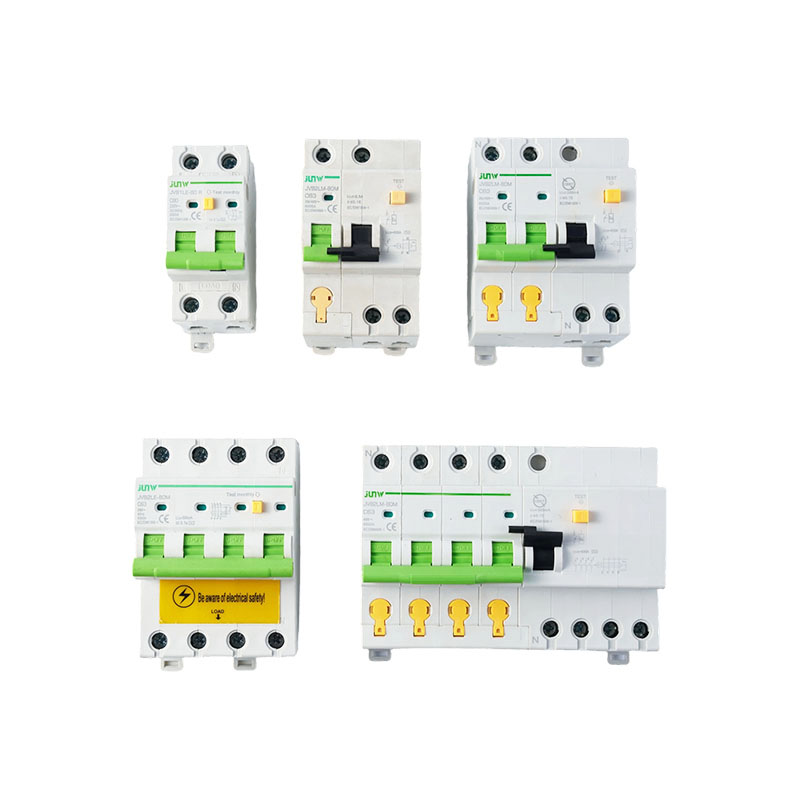
How Does Pole Configuration Affect Circuit Protection?
Pole configuration relates to how the breaker connects with the electrical circuit. The choice depends on the supply arrangement and the conductors that need to be controlled or protected.
A single-phase circuit may require a different arrangement from a three-phase circuit. Multiple poles allow related conductors to be operated together, which can be important when the circuit design requires simultaneous disconnection.
The physical arrangement inside the distribution enclosure also deserves attention. Available space, conductor routing, and the position of nearby devices can affect installation. A product may have suitable electrical characteristics but still create practical difficulties when there is insufficient room for wiring or operation.
Before purchasing, several points can be checked:
- Supply arrangement
- Number of conductors involved
- Required pole configuration
- Available mounting space
- Position of incoming and outgoing wiring
- Access to the operating handle
Pole selection should follow the circuit design rather than the external appearance of the breaker. Correct configuration helps keep the protection arrangement consistent with the way the circuit is supplied and operated.
What Installation Conditions Can Affect MCB Performance?
A circuit breaker does not work in isolation. Its surrounding installation conditions can influence how electrical components behave during normal operation. Temperature, moisture, dust, enclosure space, and nearby equipment all deserve attention when selecting a product.
Temperature is particularly relevant inside distribution enclosures. When several electrical devices are installed close together, heat may have less room to dissipate. A location exposed to external heat can also create different operating conditions from a clean indoor electrical panel.
Moisture and dust present another concern. A damp location may expose electrical components to condensation, while dust can collect around equipment and affect maintenance conditions. Outdoor installations may require additional protection against weather exposure.
The installation environment can be reviewed through several practical questions:
- Is the enclosure located indoors or outdoors?
- Could moisture or condensation occur nearby?
- Is there dust from surrounding operations?
- Are heat sources located close to the enclosure?
- Is the equipment exposed to vibration?
- Is there enough space for ventilation and inspection?
Enclosure protection should also correspond with the actual location. A device installed in a protected electrical cabinet has different environmental requirements from one placed in an area exposed to moisture or airborne particles.
Environmental conditions can also change over time. A clean installation area may become dusty after nearby equipment or building work is introduced. A previously dry location may develop condensation because of changes in ventilation. Selection and maintenance should take the surrounding conditions into account rather than treating the installation environment as fixed.
What Construction Details Should New Buyers Check?
A circuit breaker has several structural parts, and each has a role in normal operation. External appearance can provide some useful information, but it does not show how the internal components perform under electrical conditions.
The housing provides physical protection and helps separate electrical parts from the surrounding environment. Conductive components carry current through the device, while the operating mechanism allows the circuit to be switched or interrupted. Connection points also need to hold the conductors securely during use.
For a new buyer, construction checks can focus on practical details rather than trying to judge internal design without supporting information.
Useful points include:
- Condition of the outer housing
- Stability of the operating handle
- Condition of connection terminals
- Clear identification of connection positions
- Consistency of assembly
- Signs of cracks, deformation, or surface damage
Terminal construction deserves particular attention during installation because a loose electrical connection can create unwanted heating. The conductor also needs to be positioned correctly inside the connection point. A breaker with suitable electrical characteristics can still perform poorly when the wiring connection is not properly secured.
Material information can help when the installation environment has specific conditions. Different parts may require different material properties because they perform different functions inside the device. Buyers can request clear product information from the supplier instead of making assumptions from the external finish.
What Should Buyers Ask a Circuit Breaker Factory Before Ordering?
Purchasing a circuit breaker involves more than selecting a product name from a catalogue. Clear communication with a Circuit Breaker Factory can reduce uncertainty about whether the product matches the intended electrical application.
The information requested should relate directly to the installation. A simple product description may not provide enough detail for a proper comparison. Buyers can prepare the basic circuit requirements before contacting a supplier.
Important information can include:
- Rated current
- Trip curve
- Breaking capacity
- Pole configuration
- Connection arrangement
- Installation conditions
- Product dimensions
- Applicable operating environment
- Inspection information
The purpose of asking these questions is not to collect unnecessary technical documents. Relevant product information helps the purchasing team compare the selected breaker with the actual circuit design.
Inspection records can also have practical value. When incoming products are checked, consistent information about dimensions, materials, operation, and electrical characteristics makes it easier to identify differences between the ordered product and the expected specification.
Communication with a Circuit Breaker Factory should also make the intended application clear. A supplier may offer several products with similar external forms but different electrical characteristics. Providing the circuit conditions can help prevent confusion between products that look similar.
What Should Be Checked Before Installing a Low Voltage MCB?
The installation stage provides an opportunity to catch mismatches before the circuit is placed into service. The product should be compared with the design requirements, while the wiring and available mounting space should be checked at the same time.
The breaker should fit the intended mounting position without forcing the enclosure arrangement. Conductors should reach their connection points without excessive bending or pulling. The operating handle should also remain accessible after nearby components and wiring have been installed.
A practical pre-installation check can include:
- Confirm the product identification against the planned circuit.
- Check the rated current and protection characteristics.
- Verify the pole configuration.
- Inspect the housing and terminals for visible damage.
- Check the available mounting space.
- Confirm the wiring arrangement before making connections.
- Inspect the completed connections before energizing the circuit.
Connection quality deserves careful attention. A conductor that is not properly secured may loosen during service, while excessive force can also damage a connection point. Installation should follow the applicable product instructions and electrical safety requirements.
After installation, unusual conditions should not be ignored. Excessive heating, a damaged housing, abnormal handle movement, or an unusual smell can indicate a problem with the circuit or connection. Further inspection should be carried out before normal operation continues.
What Selection Checklist Should New Buyers Follow?
New buyers can reduce selection errors by checking the main requirements together rather than choosing a breaker from one parameter alone. Current rating relates to the protected wiring, while trip characteristics relate to load behavior. Breaking capacity concerns fault interruption, and pole configuration follows the circuit arrangement.
The installation environment adds another layer to the decision. Temperature, moisture, dust, enclosure space, and access for inspection can all affect the practical suitability of a product.
| Selection Point | What Should Be Checked |
|---|---|
| Current Rating | Match the circuit and wiring conditions |
| Trip Curve | Match the normal load behavior and starting characteristics |
| Breaking Capacity | Suit the possible fault conditions |
| Pole Configuration | Match the supply and circuit arrangement |
| Environment | Consider heat, moisture, dust, and enclosure conditions |
| Construction | Check housing, terminals, handle, and visible condition |
| Installation | Confirm dimensions, wiring space, and connection arrangement |
| Product Information | Verify specifications and inspection records |
For a Low Voltage MCB, the selection process works better when these factors are considered as parts of one electrical system. A product that fits one requirement may still need further checking against the wiring, load behavior, fault conditions, and installation environment.
When purchasing through a Circuit Breaker Factory, clear application information can make product communication more precise. Product specifications, inspection information, and installation requirements can then be compared with the actual circuit before the order is confirmed.
The practical value of careful selection is found in the details that are easy to overlook: whether the breaker matches the wiring, whether its response suits the load, whether its fault interruption capability fits the installation, and whether the physical environment allows reliable operation and inspection.
CONTACT
 Unit 2, Building 18, Phase II, Dongtou Emergency Industrial Park, Wenzhou, Zhejiang Province, China
 +86-13587789751
 junwei@jvele.com
KEEP IN TOUCH
Copyright © Zhejiang Junwei Electric Co., Ltd. All Rights Reserved
Record number:浙ICP备09058387号
Junwei Electric Component Manufacturer
