


 English
  Français
  عربى
عربى 


What Makes Low Voltage Mcb Suitable for Residential Use
2026-09-18
Residential electricity use is spread across many parts of a home. Lighting, wall outlets, kitchen appliances, heating equipment, and other fixed loads may work through separate circuits. Each circuit has its own wiring conditions and load changes, so protection needs to follow the way electricity is distributed rather than treating the whole house as one load.
A circuit breaker used in a home therefore needs to do more than interrupt current during a fault. It needs to fit inside the distribution board, work with different branch circuits, and allow normal power to be restored after the cause of a trip has been checked. These practical requirements help explain why miniature circuit breakers are commonly used in residential electrical systems.
Why Does Residential Wiring Need a Compact Protection Device?
Space inside a household distribution board is limited. Several branch circuits may need separate protection, while the board also has to leave room for wiring and safe operation. A protection device with a compact modular form can make this arrangement easier to organize.
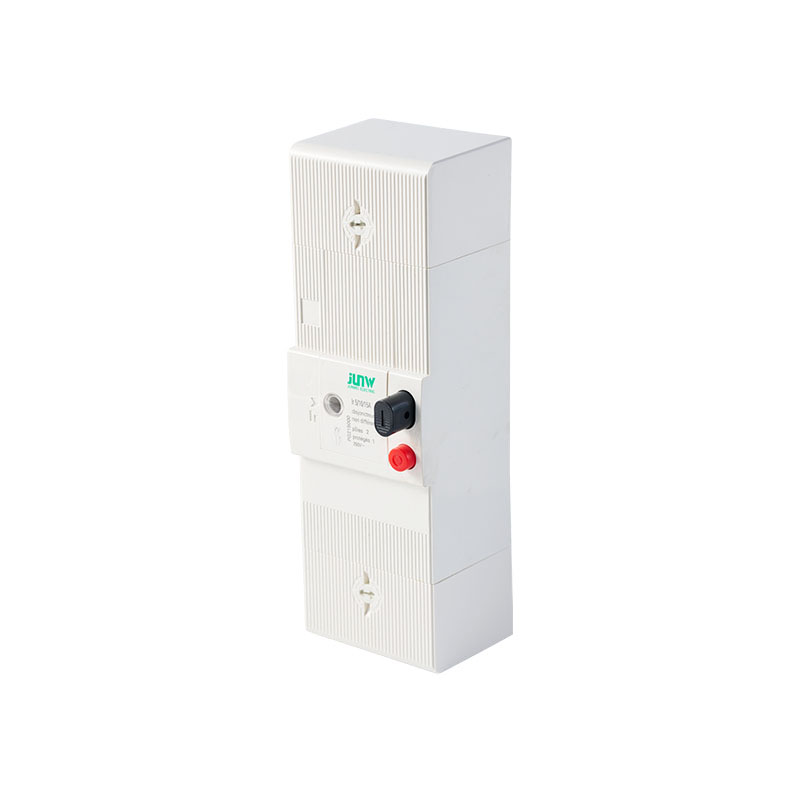
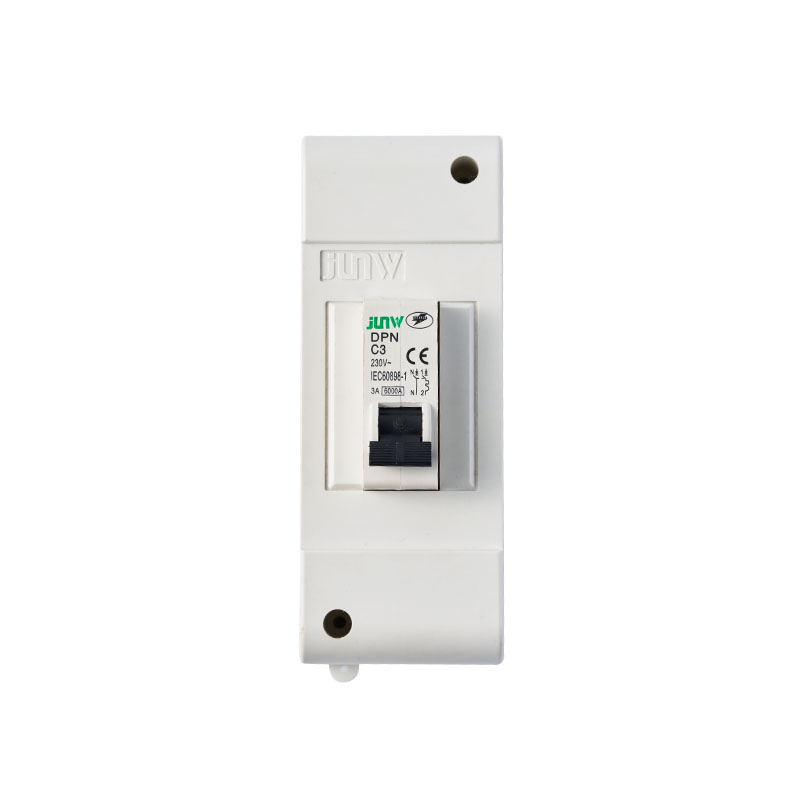
A Low Voltage MCB is designed for use in low‑voltage distribution systems and can be arranged with other circuit protection devices inside a distribution board. Its modular structure allows individual circuits to have their own switching and protection point rather than placing every household load behind one common device.
That arrangement has a practical effect during everyday use. Consider a home with separate circuits for lighting, general outlets, and kitchen equipment. A fault on one branch does not necessarily require every other branch to be disconnected. Each circuit can be managed according to its own electrical conditions.
A compact design also helps keep the distribution board easier to identify and operate. Clear circuit labeling becomes useful here. When a breaker trips, knowing whether it controls lighting, outlets, or a fixed appliance can shorten the time needed to locate the affected area.
The physical size of a breaker, however, is only one part of the issue. Its current rating and connection to the wiring also need to match the intended circuit. A small device does not automatically make a circuit suitable for every type of household load.
How Does Low Voltage MCB Handle Overload and Short Circuit?
Household circuits do not always carry the same amount of current. A lighting circuit may have a relatively steady load, while an outlet circuit can experience changing demand as appliances are connected or disconnected. Problems arise when the current remains beyond what the circuit can safely carry or when a fault creates an unusually large current path.
An overload can develop when too much equipment is connected to a circuit for its intended capacity. For example, several appliances operating through the same outlet circuit can place a sustained load on the wiring. The wiring may then heat up as the abnormal condition continues.
A short circuit is different. It can occur when conductors that should remain separated come into direct contact because of damaged insulation, a wiring problem, or a fault inside an electrical device. The resulting current can rise sharply, requiring rapid interruption.
MCBs are designed to respond to both conditions. Under an overload, the breaker responds to the continuing abnormal current. During a short circuit, it acts more quickly to interrupt the fault current.
For residential use, the distinction matters because protection cannot be based on one type of fault alone. A breaker needs to respond to the electrical condition actually occurring on the circuit.
The basic process can be viewed simply:
- Normal current passes through the circuit during ordinary operation.
- A sustained overload causes the protection mechanism to operate.
- A short circuit creates a more severe current condition and requires rapid interruption.
- After the cause has been addressed, the affected circuit can be restored through the breaker.
Such protection does not remove the need for sound wiring or properly maintained appliances. The breaker works as one part of the electrical system, while the wiring, connections, loads, and distribution board all affect how the circuit behaves.
Why Do Different Residential Circuits Need Different Current Ratings?
Not every branch circuit in a home has the same purpose. Lighting normally serves a different load pattern from general‑purpose outlets, while a circuit intended for a fixed appliance may have another electrical requirement.
For that reason, selecting a breaker starts with the circuit rather than the breaker itself. The expected load, wiring capacity, connected equipment, and installation conditions all need to be considered together.
Common household applications may use lower current ratings for lighting and certain outlet circuits, while circuits serving equipment with greater electrical demand may require a different rating. Values such as 6A, 16A, 20A, or 32A can appear in residential installations, depending on the circuit design and local requirements.
| Residential Circuit | Typical Use | Protection Consideration |
|---|---|---|
| Lighting circuit | Lamps and fixed lighting | Match the breaker to the circuit wiring and expected load |
| General outlet circuit | Portable household appliances | Consider changing loads and simultaneous appliance use |
| Kitchen circuit | Cooking and kitchen equipment | Check the expected electrical demand of connected appliances |
| Fixed appliance circuit | Dedicated household equipment | Match protection with the equipment and circuit arrangement |
The important point is that a larger rating does not automatically make a circuit safer. The breaker needs to provide protection appropriate to the wiring and intended load. Increasing the rating without checking the circuit can allow excessive current to continue through wiring that was not designed for it.
Circuit separation also makes household electrical management easier. A dedicated circuit for a particular appliance can be checked independently from general outlets, while lighting can remain separate from equipment that creates a heavier or changing load.
This approach connects the physical layout of a home with Electrical Power Protection. Protection becomes easier to manage when each branch has a clear purpose and its electrical conditions are considered during selection.
How Does Easy Reset Make MCB Practical for Home Circuits?
A residential protection device may operate during an overload or short circuit, leaving the affected circuit without power. Once the reason for the interruption has been identified and the fault has been addressed, the ability to reset the breaker becomes useful for normal household operation.
An MCB can be switched back on after the fault has been cleared, unlike a conventional fuse that normally needs to be replaced after it operates. The reset function reduces the need to keep replacement fuse elements available for routine circuit interruptions.
Convenience, however, should not be confused with fault clearance. A breaker that trips again after being reset may be responding to a problem that remains in the circuit or connected equipment.
A sensible response is to check the situation step by step:
- Identify which circuit has lost power.
- Check whether an appliance was operating when the breaker tripped.
- Disconnect the suspected load where appropriate.
- Reset the breaker only after the likely cause has been addressed.
- Seek qualified electrical inspection when the breaker continues to trip or the cause is unclear.
The reset function therefore fits residential use because it supports normal circuit operation while keeping the interruption tied to the affected branch. It also makes the breaker suitable for a distribution system where circuits may need to be restored separately after a fault.
From compact installation to circuit‑specific protection and reset operation, the practical role of the breaker becomes clearer. The next concern is what happens when one household circuit develops a fault while other circuits remain in normal use.
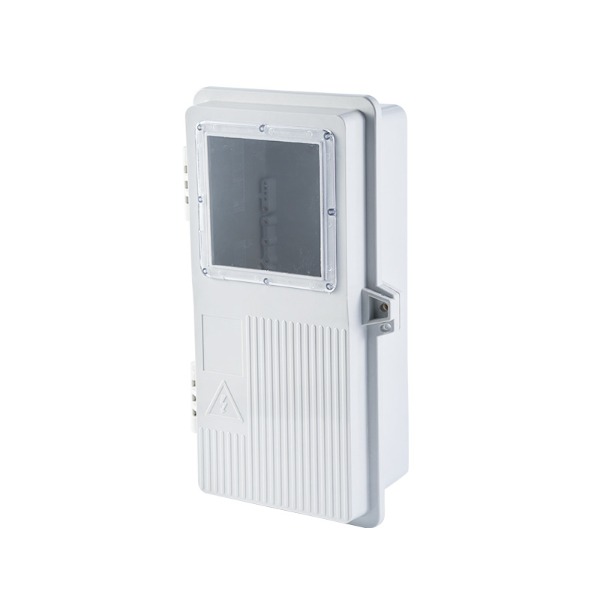
How Does Targeted Fault Isolation Protect Other Home Circuits?
A fault in one part of a house does not necessarily affect every electrical circuit. Separate branch circuits allow lighting, outlets, and fixed appliances to operate through their own protection points. When one circuit develops an abnormal condition, its breaker can disconnect that branch while other circuits remain available.
For residential electrical systems, this separation has a practical value. Imagine an appliance connected to a kitchen circuit develops a fault. The related breaker can interrupt that circuit without necessarily cutting power to lighting in other rooms. The affected area can then be checked without making every part of the house unavailable.
The arrangement also makes fault tracing easier. A distribution board with clearly identified circuits provides a direct connection between a breaker and the area or equipment it serves. When a breaker trips, the location of the affected circuit gives useful information for the next inspection step.
A clear branch arrangement can help with several tasks:
- Identifying the circuit affected by a trip
- Separating normal loads from the suspected fault
- Checking appliances connected to the affected branch
- Restoring unaffected circuits where appropriate
- Reducing unnecessary interruption to other household areas
Such separation is closely related to Electrical Power Protection. Protection is not only about stopping abnormal current. It also involves controlling where the interruption occurs and keeping unaffected circuits separate from the fault.
The arrangement needs to be planned during electrical installation. Simply adding more breakers does not create useful circuit separation when the wiring and circuit layout do not support it. Each protective device needs a clear relationship with the branch it controls.
Why Does the Trip Response Matter in Residential Use?
A household circuit can experience different forms of current change. Some electrical equipment may draw a temporary increase when switched on, while a genuine fault can create a condition that needs the circuit to be disconnected.
The response of the protection device therefore needs to suit the type of residential load. MCBs are available with different trip characteristics, and a B‑type device is commonly associated with residential circuits. Its response is intended for circuits where the connected loads generally do not create the kind of starting current associated with certain heavy equipment.
The purpose is not simply to make the breaker react to every brief change in current. A suitable response needs to distinguish normal operation from a condition that could place excessive stress on the circuit.
For household applications, the selection process can consider:
- The type of equipment connected to the circuit
- Normal changes in electrical load
- Possible starting current from appliances
- Wiring conditions
- The required response during a fault
- Local installation requirements
A breaker that is not matched to the circuit can create practical problems. An unsuitable response may cause unnecessary interruptions during normal equipment operation, while an unsuitable protection arrangement may fail to provide the intended circuit protection.
That is why trip characteristics should be considered together with the current rating and circuit purpose. No single breaker setting can be separated from the wiring and equipment it is intended to protect.
How Do Compact Design and Reset Operation Work Together in Residential Distribution?
The physical arrangement of an MCB supports another practical requirement in homes: several circuits need to be controlled from a relatively small distribution area.
A modular breaker can sit alongside other protective devices, allowing individual branches to have their own switching position. The layout can remain organized while each circuit retains a separate point for interruption and restoration.
The reset mechanism adds another layer of convenience during normal maintenance. After a fault has been identified and corrected, the affected breaker can be returned to its operating position without replacing a separate fuse element.
For a household distribution board, the combination of compact installation and individual circuit control can make routine operation more straightforward. Lighting, general outlets, and fixed equipment can have separate protection arrangements according to the electrical design.
The practical benefit comes from the relationship between several features rather than from one feature alone:
- Compact placement helps organize multiple branch circuits.
- Individual switching allows a selected circuit to be disconnected.
- Automatic interruption responds to abnormal current.
- Reset operation allows the circuit to return to service after the fault is addressed.
- Circuit‑specific ratings connect protection with the intended wiring and load.
A Low Voltage MCB therefore fits residential applications through a combination of circuit protection, manageable installation, and separate branch control. Its suitability depends on how these functions are matched with the actual electrical system rather than on the breaker being treated as a standalone safety device.
Residential electricity continues to change as homes use a wider range of appliances and equipment. New loads can alter existing circuit conditions, making circuit planning and periodic inspection relevant even when the distribution board itself has not changed. Proper separation, suitable protection settings, sound connections, and clear circuit identification remain practical parts of Electrical Power Protection in everyday home electrical systems.
CONTACT
 Unit 2, Building 18, Phase II, Dongtou Emergency Industrial Park, Wenzhou, Zhejiang Province, China
 +86-13587789751
 junwei@jvele.com
KEEP IN TOUCH
Copyright © Zhejiang Junwei Electric Co., Ltd. All Rights Reserved
Record number:浙ICP备09058387号
Junwei Electric Component Manufacturer
