


 English
  Français
  عربى
عربى 
Industry News


What Makes OEM Circuit Breaker Suitable For Replacement Systems
2026-07-03
Electrical systems rarely stay unchanged for long periods. Old installations often require upgrades, part replacement, or restoration after wear. In many of these cases, circuit protection becomes a key point of attention because interruption behavior must remain stable across system changes.
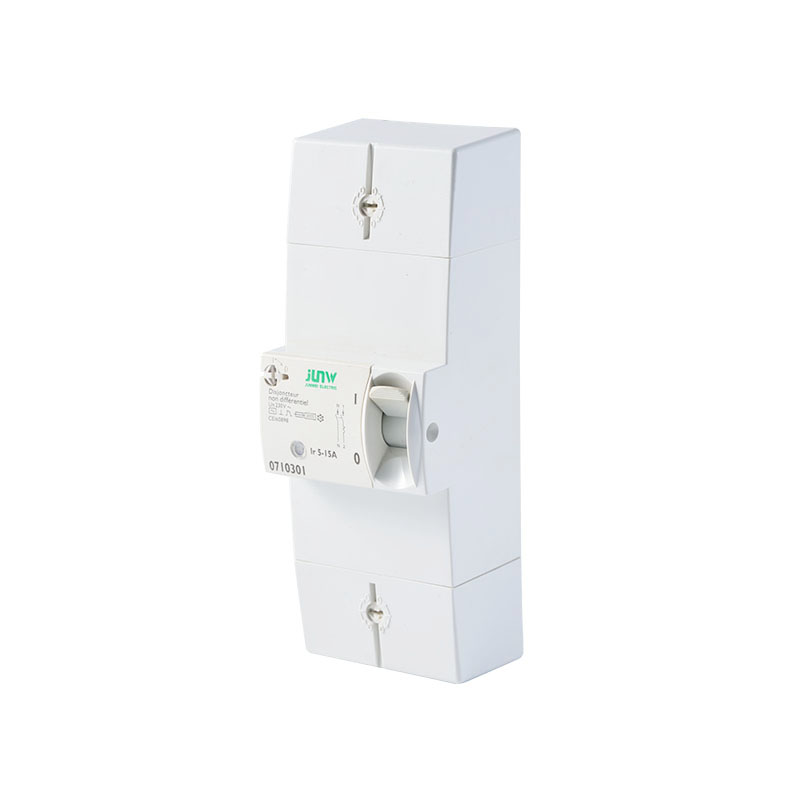
An OEM Circuit Breaker is often selected in replacement projects because system compatibility matters more than redesign. Electrical panels, wiring layouts, and load distribution already exist, so replacement components need to align with existing structure rather than forcing full modification.
In practical environments, replacement systems often face challenges such as:
- mismatch between old panel layout and new protective devices
- inconsistent interruption response between mixed components
- limited space inside existing electrical enclosures
- difficulty in adjusting wiring structure during upgrade work
Because of these constraints, replacement planning tends to focus on continuity rather than redesign.
What Is the Core Working Function of an OEM Circuit Breaker?
A circuit breaker is designed to interrupt electrical flow when abnormal conditions appear, such as overload or short circuit behavior. Inside an OEM design, that same protection function is maintained while structural and connection patterns are aligned with specific system requirements.
Basic working behavior includes:
- detection of overload current conditions
- automatic interruption of electrical flow
- reset or recovery after fault clearance
- protection of downstream equipment from damage
Although electrical protection appears mechanical from outside, internal response depends on precise balance between thermal and magnetic reaction. That balance influences how quickly interruption happens under stress conditions.
OEM structure does not change the protection principle. Instead, it adjusts mechanical and connection design so replacement systems can integrate without redesigning entire electrical architecture.
How Does OEM Design Support Replacement Compatibility?
Replacement systems usually involve existing wiring paths, fixed panel sizes, and established terminal positions. A major advantage of OEM design lies in structural alignment with those existing conditions.
Compatibility support often appears in several ways:
- matching mounting structure with existing panel cutouts
- maintaining consistent terminal positioning for wiring reuse
- adapting physical dimensions to installed enclosures
- reducing need for rewiring during replacement process
| Aspect | Standard Replacement Risk | OEM Design Behavior | Practical Impact |
|---|---|---|---|
| Mounting fit | May require adjustment | Aligns with existing panel | Faster installation |
| Terminal layout | Wiring changes needed | Consistent positioning | Reduced rewiring effort |
| System integration | Possible mismatch | Structured compatibility | Stable replacement flow |
| Space usage | Space conflict risk | Adapted dimensions | Easier enclosure fit |
What Role Does a Circuit Breaker Factory Play in OEM Production?
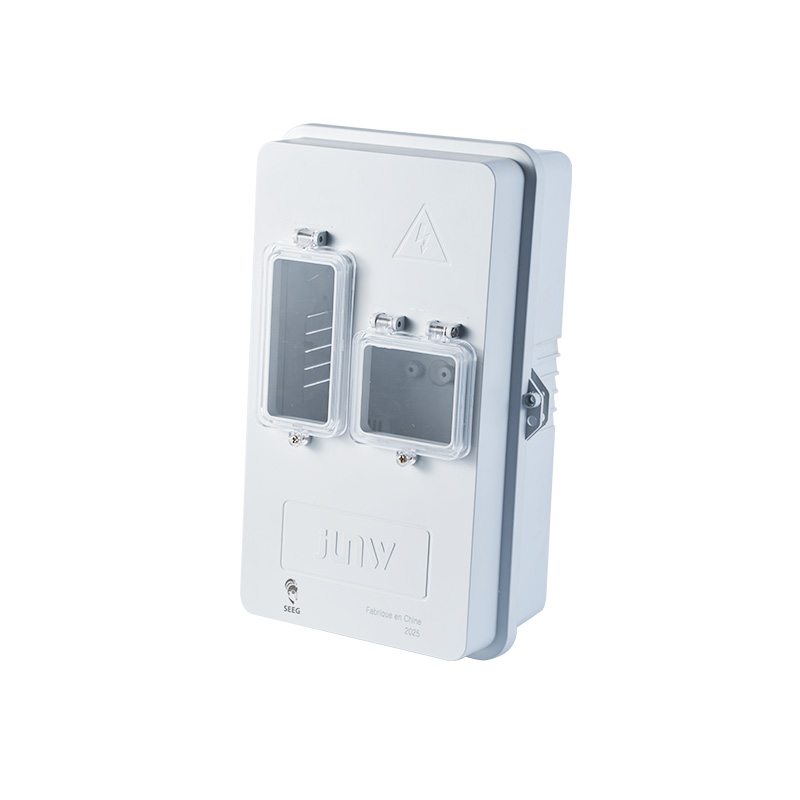
Production consistency is important in replacement systems because identical performance behavior is expected across multiple units. A Circuit Breaker Factory supporting OEM production focuses on repeatable manufacturing conditions so each unit behaves predictably inside installed systems.
Factory-level involvement usually includes:
- controlled assembly process for stable internal structure
- consistent material selection for thermal and electrical behavior
- repeatable calibration of protection response
- adaptation of design variations for different system requirements
Replacement environments often require identical behavior between old and new components. Even small variation in response time or thermal sensitivity can affect system balance.
OEM manufacturing also supports different installation environments by adjusting enclosure strength, terminal layout, or insulation design without changing core protection principle.
Why Electrical Matching Matters in Replacement Use?
Replacement is not only physical fitting. Electrical behavior must also match existing system conditions. When breaker response differs from original system expectation, protection timing may not align with downstream equipment sensitivity.
Important matching points include:
- voltage compatibility with existing circuit design
- current handling aligned with load profile
- interruption response behavior under fault conditions
- thermal tolerance under continuous operation
When these factors are aligned, replacement systems maintain stable protection behavior without requiring redesign of upstream or downstream components.
How Does Mechanical Design Influence Replacement Efficiency?
Mechanical structure often determines how quickly replacement work can be completed. Even when electrical performance is suitable, installation difficulty can slow down system recovery.
Key mechanical aspects include:
- mounting clip structure for panel installation
- terminal spacing for wiring access
- housing shape for enclosure compatibility
- alignment with existing breaker slots
In many replacement cases, electrical panels already have fixed space. A design that aligns with that space reduces installation adjustment and supports smoother system restoration.
Where Replacement Behavior Meets Real Installation Conditions
In field environments, replacement work often happens inside tight electrical cabinets, sometimes with limited lighting and restricted movement space. Components that match existing layout reduce handling complexity.
Practical installation factors include:
- limited clearance inside control panels
- pre-existing cable routing paths
- need to avoid full system rewiring
- time-sensitive restoration requirements
OEM-based circuit breakers are often selected because they reduce structural uncertainty during these conditions.
What Safety Factors Matter in Replacement Circuit Breaker Systems?
Electrical protection inside replacement systems works under real operating pressure, not ideal conditions. Once a circuit already exists, any change in protection device must keep interruption behavior stable, otherwise upstream and downstream equipment may face inconsistent response.
An OEM Circuit Breaker is often used in replacement work because behavior remains close to original system expectation while still fitting existing structure.
Safety in real use usually appears through several practical points:
- response to sudden overload inside working machinery
- interruption behavior during short-circuit conditions
- insulation stability during long service time
- heat resistance inside closed electrical cabinets
In many installations, safety issues do not appear immediately. Small variation in thermal response or contact stability may slowly affect performance during repeated operation cycles. That is why consistent design behavior matters in replacement scenarios.
How Do Environmental Conditions Influence Replacement Performance?
Replacement devices are usually installed in spaces that already exist. Electrical panels inside factories, machinery rooms, or service areas often carry environmental stress that cannot be removed.
Common environmental influences include:
- heat accumulation inside closed enclosures
- humidity that slowly affects insulation condition
- dust entering ventilation gaps in panel systems
- vibration from nearby machines or structures
These factors change how circuit breakers behave over time. Even when electrical load remains unchanged, surrounding conditions may alter thermal response or switching consistency.
For example, higher ambient temperature inside a cabinet can shorten thermal response margin. Dust accumulation may reduce airflow inside the enclosure. Vibration may gradually loosen mechanical stability if structure is not aligned well with existing system layout.
OEM-based design usually considers these conditions so replacement units continue working in similar behavior range as original equipment.
Why Does Maintenance Become Easier With OEM Circuit Breaker Systems?
Maintenance work in electrical systems often happens under time limits. Machines may need to return to operation quickly, so inspection and replacement tasks must be efficient.
OEM structure helps reduce complexity during maintenance because physical and electrical behavior stays consistent across units.
Practical maintenance benefits include:
- consistent terminal layout across replacement units
- predictable switching response during testing
- easier identification of compatible components
- reduced adjustment after installation
In real maintenance routines, technicians usually check:
- terminal tightness after installation
- switching movement under manual operation
- heat condition during short load test
- insulation stability inside panel environment
When structure remains consistent, inspection becomes more straightforward. Less time is spent adjusting wiring position or correcting mismatched mounting points.
How Does OEM Circuit Breaker Support Long-Term System Continuity?
Electrical systems often evolve gradually. Equipment gets added, load patterns change, and older components are replaced in stages rather than full system redesign.
In such environments, continuity becomes important. A OEM Circuit Breaker supports continuity by keeping protection behavior stable across multiple replacement cycles.
Long-term system behavior depends on several factors:
- stability of interruption response over time
- consistency across different installation batches
- compatibility with existing panel structure
- ability to fit into partial upgrades
In real installations, systems rarely change all at once. One section may be upgraded while others remain unchanged. If protection devices behave differently between sections, uneven response may appear during fault conditions.
OEM structure reduces that gap by keeping mechanical and electrical behavior aligned with existing configuration.
How Do Load Changes Affect Replacement Strategy in Practice?
Electrical load inside real systems rarely stays constant. Machines start, stop, and shift between different working states throughout operation cycles.
Replacement strategy must consider:
- increased load from additional equipment added over time
- uneven distribution of current across different circuits
- temporary overload during startup of machinery
- variation in usage intensity across working hours
In such cases, circuit breaker response must remain predictable. If interruption timing changes too much between old and new units, system coordination may become unstable.
OEM design helps maintain similar response characteristics so load transitions do not create unexpected protection differences.
Why Structural Consistency Matters in Real Installation Work
In field installation, electrical panels often have limited space. Wiring paths already exist, and modification space is small. Any mismatch in structure may increase installation difficulty.
Structural consistency affects:
- how easily device fits into existing mounting slots
- whether wiring needs adjustment or rerouting
- how stable connection remains under vibration
- how quickly replacement can be completed
Even small differences in terminal spacing or housing size can affect installation time. In practical maintenance work, reducing adjustment steps often matters more than redesign flexibility.
What Role Does Circuit Breaker Factory Production Play?
A Circuit Breaker Factory involved in OEM production focuses on repeatable manufacturing behavior. Replacement systems depend on consistency more than variation.
Factory-level control usually includes:
- stable assembly process for identical internal structure
- controlled material selection for insulation and contacts
- repeated calibration of switching response
- quality checks for mechanical stability
In real replacement scenarios, consistency allows technicians to replace units without re-evaluating system behavior each time. That reduces uncertainty during maintenance cycles and keeps system operation more stable.
How Replacement Systems Stay Stable Over Time
Replacement is not a single event. It happens repeatedly across system lifetime. Equipment ages, loads increase, and components are swapped gradually.
Stability comes from alignment between:
- original system structure
- replacement device design
- environmental condition inside installation area
- load behavior during operation
When these elements stay aligned, electrical protection remains predictable across long periods. OEM Circuit Breaker design supports this alignment by reducing mismatch between old and new components while keeping core protection behavior consistent.
CONTACT
 Unit 2, Building 18, Phase II, Dongtou Emergency Industrial Park, Wenzhou, Zhejiang Province, China
 +86-13587789751
 junwei@jvele.com
KEEP IN TOUCH
Copyright © Zhejiang Junwei Electric Co., Ltd. All Rights Reserved
Record number:浙ICP备09058387号
Junwei Electric Component Manufacturer
