


 English
  Français
  عربى
عربى 


What Does AC MCB Breaker Do In Electrical Circuits
2026-07-31
Electrical systems power homes, commercial buildings, and industrial facilities, but every circuit still needs some way to react when current conditions shift unexpectedly. Under normal operation, equipment draws power within a reasonably suitable range. Trouble tends to show up when a circuit ends up carrying more current than expected, or when connected equipment starts behaving in ways that push things outside normal operating conditions.
Excessive current puts real stress on wires, switches, and whatever devices happen to be connected. Left unchecked, ongoing overload conditions can wear down circuit components and shorten how long they last. Protection devices exist to catch these unusual situations and interrupt the circuit before things get worse.
An MCB Breaker fits into alternating current systems as a way to both control and protect the circuit. It lets electricity pass through during normal operation, then automatically disconnects once current conditions turn unsafe. By separating out abnormal conditions from the rest of the system, protection devices like this help keep the overall electrical environment a good deal more stable.
Electrical loads rarely stay constant throughout the day. Household appliances, office equipment, lighting, and industrial machinery all create different power demands depending on when and how they're running. A protection device needs to keep pace with these shifts while still letting normal electrical activity carry on without interruption.
A few situations tend to call for circuit protection:
- Overload conditions — too many devices running at once, or a jump in power demand, can push current beyond a circuit's normal range
- Short circuit conditions — unexpected connections between electrical paths can trigger sudden current spikes
- Equipment protection needs — sensitive components often need shielding from abnormal current flow
A well-matched protection system weighs safety alongside practical operation. Circuit breakers really work as one piece of a larger electrical management picture that also includes wiring design, equipment selection, and ongoing maintenance.
What Is the Basic Function of an AC MCB Breaker?
An MCB Breaker acts as an automatic switching and protection device inside an electrical circuit. Its core job is controlling current flow and cutting power once the circuit starts showing abnormal conditions.
Under regular operation, the breaker lets current pass through, and connected equipment gets power without interruption. Once current pushes past what's considered acceptable, internal protection mechanisms kick in and separate the circuit.
The whole operation tends to break down into a few stages:
- Current monitoring — internal components stay responsive to changes in electrical flow
- Condition detection — the breaker checks whether current is staying within normal range
- Circuit interruption — once conditions turn abnormal, the internal mechanism disconnects the electrical path
- Manual reset — after the underlying issue gets checked, the breaker can usually be reset for normal use again
Unlike a plain switch, a circuit breaker blends control with protection in one device. Someone can operate it manually during routine maintenance, while automatic protection handles the unexpected situations on its own.
An MCB breaker does more than just stop excessive current — it also breaks electrical systems into separate protected sections, which makes managing faults a lot more manageable. A problem cropping up in one circuit area doesn't necessarily spread to the rest of the installation.
How Does an MCB Breaker Protect Electrical Circuits?
Protection plays out through a fairly coordinated response between internal components and whatever's happening in the circuit. As long as current stays within normal limits, the breaker stays connected and lets power flow through. Push current beyond the designed range, though, and protective elements respond by opening the circuit.
Overload protection covers one big part of this. Excessive current sustained over time can gradually build up heat inside electrical components. An Overload Protection MCB catches this kind of condition and disconnects the circuit before that heat has a chance to cause real damage.
Short circuit protection works a bit differently, since current changes here happen almost instantly. The breaker needs to react fast to sudden faults and cut current flow to keep risks from spreading.
| Protection Function | Purpose in Circuit Operation |
|---|---|
| Normal Switching | Controls connection and disconnection during regular use |
| Overload Protection | Responds to excessive current over a period of time |
| Short Circuit Protection | Handles sudden abnormal current conditions |
| Circuit Separation | Helps isolate affected electrical sections |
Getting circuit protection right usually comes down to matching the breaker to what the electrical system actually needs. Different applications bring different loads, equipment types, and operating conditions into the mix, and picking the right device lets protection do its job without getting in the way of normal usage.
An Overload Protection MCB tends to matter a fair bit in circuits where equipment runs for extended stretches. Continuous overload doesn't always trip an immediate shutdown, but it can wear on electrical components gradually over time. A well-chosen breaker helps catch these slower-building situations through automatic response.
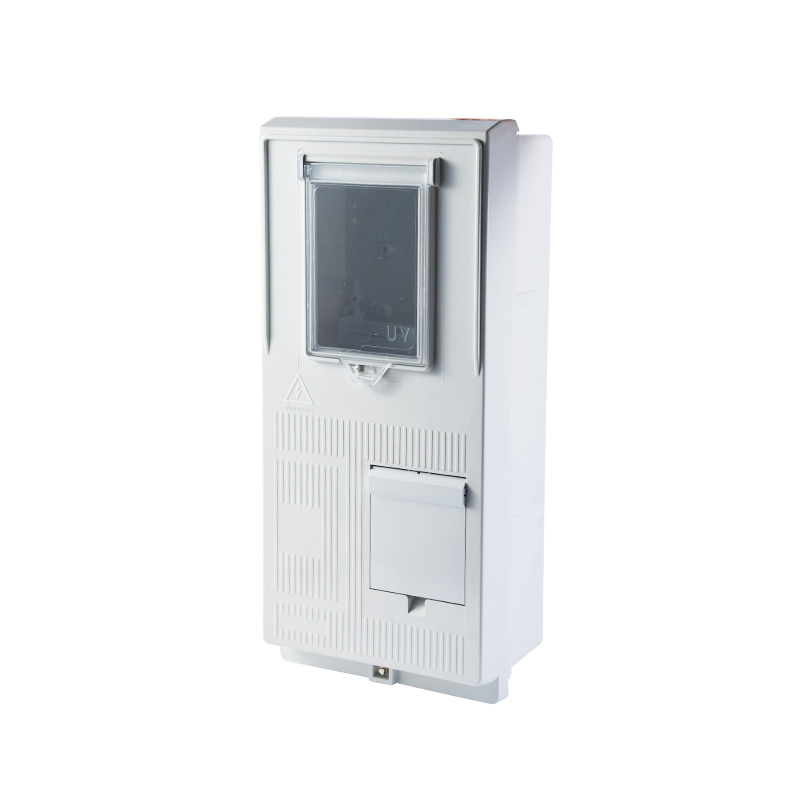
How Does Overload Protection MCB Work in Circuit Safety?
Overload protection is mainly about heading off problems caused by current that stays too high for too long. Circuits are generally built to run within certain limits, and pushing past those limits for an extended period tends to generate unwanted heat and stress on components.
An Overload Protection MCB keeps watch on current changes through internal protection elements. Once current stays above the normal operating level, the mechanism responds and disconnects the circuit.
A few factors tend to play into this process:
- Current level changes — the breaker reacts once electrical flow exceeds the expected range
- Heat development — sustained overload conditions can raise temperatures inside circuit components
- Automatic interruption — the breaker disconnects the circuit to limit further impact
Overload protection isn't quite the same as everyday switching. A normal switch just controls whether electricity flows or not, while a protective breaker also keeps evaluating the actual condition of the circuit as it runs.
Many electrical systems build in multiple protection points, since different areas often carry different power requirements. Having separate protection at each point makes it a lot easier for maintenance workers to spot problems and manage individual electrical sections without disrupting everything else.
What Are the Main Components Inside an MCB Breaker?
A MCB Breaker holds several internal parts that work together to manage electrical flow and provide circuit protection. Each piece plays its own role, and how well these parts coordinate shapes how the breaker responds during both normal operation and abnormal conditions.
The housing wraps around the internal structures and holds the whole assembly together. It keeps components arranged properly while providing insulation between electrical paths and whatever's happening outside the breaker.
The switching mechanism handles connecting and disconnecting the circuit. Flip the breaker on, and current passes through. When protection kicks in, that same structure separates the circuit to stop current flow.
Protection elements respond to shifts in electrical conditions. Different protection functions rely on internal components reacting according to whatever current changes or operating situations come up.
Terminals connect the breaker to external wiring. Their structure needs to hold up under stable electrical connections while still allowing for reasonably convenient installation and maintenance.
| Component | Function in AC MCB Breaker |
|---|---|
| Housing | Protects internal parts and provides insulation support |
| Switching Mechanism | Controls circuit connection and disconnection |
| Protection Elements | Respond to abnormal electrical conditions |
| Terminals | Connect the breaker with external circuits |
How well a circuit breaker performs comes down to how these parts function as a whole. Shift one component, and it can ripple into the overall operation of the device — connection quality, for instance, affects current transmission, while the switching structure shapes how the breaker responds during interruption.
Manufacturing processes focus on keeping consistency across these different components. Material processing, assembly methods, and inspection procedures all feed into stable operation. Getting design and production to work together well tends to be what helps circuit protection devices actually fit their intended applications.
What Factors Affect MCB Breaker Selection?
Choosing an AC MCB breaker means thinking through the electrical environment it's headed into. Circuits don't all operate under the same conditions, so protection devices generally need to match whatever a given application actually calls for.
Electrical load matters quite a bit here. A circuit running lighting equipment probably has different protection needs than one serving machinery or larger electrical systems. Getting a handle on expected current conditions helps point toward a protection solution that fits.
Installation conditions play into this too. Indoor panels, outdoor electrical boxes, and industrial control areas tend to come with different environmental demands. Space arrangement, wiring methods, and maintenance access are all worth thinking through before installation.
A few other factors that tend to shape selection:
- Circuit application — different electrical systems call for different protection characteristics
- Installation environment — temperature, moisture, and surrounding conditions can shift what works
- Equipment requirements — connected devices sometimes need specific protection methods
- Maintenance needs — easy inspection and operation make long-term electrical management a lot smoother
A sound selection process looks at the electrical system as a whole rather than just the breaker in isolation. How wiring, connected equipment, and protection devices relate to each other tends to shape overall circuit operation.
How Are AC MCB Breakers Used in Different Electrical Applications?
MCB breakers show up across a fairly wide range of electrical environments where circuit control and protection matter. Operating conditions shift from one application to the next, but the core purpose stays pretty consistent — managing current flow and cutting down on electrical risk.
In residential buildings, circuit breakers commonly protect lighting systems, household appliances, and other everyday circuits. Different areas of a home often get their own separate protection points, which makes handling problems a bit easier when they crop up.
Commercial buildings tend to carry a mix of electrical loads, including lighting, office equipment, and service systems. Circuit protection helps organize how electricity gets distributed and supports safer operation across different areas of the building.
Industrial facilities usually involve more layered electrical setups. Equipment operation can create shifting power demands, which makes proper circuit protection a fairly important piece of overall electrical planning.
Public facilities need organized electrical management as well. Schools, transportation hubs, and shared buildings often rely on circuit protection devices to keep power distribution running reliably.
| Application Area | Protection Requirements |
|---|---|
| Residential Buildings | Protection for daily electrical use |
| Commercial Facilities | Management of different electrical loads |
| Industrial Areas | Adaptation to equipment operating conditions |
| Public Buildings | Organized circuit distribution |
These differences across applications say a lot about why circuit protection needs to line up with actual operating conditions. A breaker that works fine in one environment might not fit another, simply because electrical demands and installation conditions vary so much from place to place.
How Does Manufacturing Quality Influence MCB Breaker Performance?
Manufacturing processes leave a real mark on how a circuit breaker ends up performing. A breaker packs in a number of small components, and each one needs to work together with reasonable accuracy to support proper electrical control.
Material choice shapes the structure and durability of internal components. Manufacturers pick materials based on electrical performance needs, mechanical strength, and whatever conditions the breaker is expected to face.
Assembly also plays into final performance. Internal mechanisms need fairly precise positioning, since small differences here can affect switching movement and how quickly protection responds.
Inspection runs throughout production to check component quality and assembly conditions. Manufacturers tend to evaluate different aspects of the product depending on what the application actually calls for.
Production management generally covers:
- Material checking before processing
- Component manufacturing control
- Assembly accuracy management
- Functional inspection after production
Consistent manufacturing methods help keep product characteristics stable over time. Electrical protection devices call for careful production control, given how directly they tie into circuit safety.
How Is AC Breaker Technology Developing?
Electrical systems keep shifting as buildings and equipment call for more flexible power management, and circuit protection technology has been gradually moving toward smaller structures, easier installation, and better compatibility across different electrical setups.
One direction involves improving how well protection devices integrate with modern electrical systems. As electrical networks become more organized, breakers need to work smoothly within a range of distribution structures.
Design flexibility gets attention too. Different industries bring different installation conditions to the table, so manufacturers keep adjusting product structures to fit a variety of applications.
Maintenance convenience matters as well. Electrical systems often need inspection and adjustment during operation, so accessible designs tend to make life easier for facility management teams.
A few areas likely to shape future development:
- More flexible installation options
- Improved compatibility across different circuits
- Easier maintenance methods
- Better coordination with electrical management systems
An AC MCB Breaker stays tied to circuit protection because it links current control with automatic safety functions. From household systems through to industrial applications, selection and manufacturing quality both shape how well a breaker ends up performing in practice.
Electrical protection rests on cooperation between equipment design, installation planning, and operating conditions. Understanding how circuit breakers function helps engineers and users put together electrical systems that hold up well against practical, everyday requirements.
CONTACT
 Unit 2, Building 18, Phase II, Dongtou Emergency Industrial Park, Wenzhou, Zhejiang Province, China
 +86-13587789751
 junwei@jvele.com
KEEP IN TOUCH
Copyright © Zhejiang Junwei Electric Co., Ltd. All Rights Reserved
Record number:浙ICP备09058387号
Junwei Electric Component Manufacturer
