


 English
  Français
  عربى
عربى 


How Low Voltage MCB Responds To Circuit Abnormality
2026-07-24
Electrical systems usually operate quietly in the background, although changes in current conditions can happen during daily use. A machine starting, several devices running together, or a problem inside a circuit may affect the normal flow of electricity.
When current moves outside the expected condition, protection becomes important. Without a suitable protection device, abnormal current may continue through wires and connected equipment, creating extra pressure on the whole system.
A Low Voltage MCB is designed to respond when a circuit condition becomes unusual. It allows normal current to pass during regular operation and interrupts the circuit when protection is needed.
Circuit problems do not always appear in the same way. Some happen gradually, such as overload caused by long-term excessive demand. Others happen suddenly, such as a short circuit. Because the causes are different, the response process also needs to match the situation.
Several factors influence circuit protection:
- type of electrical load
- wiring condition
- installation environment
- equipment usage
- regular maintenance
A protection device works together with the entire electrical system. Correct selection and proper installation help it respond when the circuit condition changes.
How Does A Low Voltage MCB Detect Circuit Abnormality
A circuit breaker does not simply turn power on and off. During normal operation, current passes through the device and continues to connected equipment. When current changes beyond the expected range, internal parts begin to react.
A Low Voltage MCB identifies abnormal conditions through changes in current flow. Different problems create different patterns, so the breaker needs to respond according to the situation.
Overload is one common condition. Current becomes higher than the circuit can normally handle, and the problem may continue for some time. The internal protection structure reacts as the condition remains outside the normal range.
Short circuit situations are different. Current changes suddenly, requiring a quicker interruption to separate the affected circuit.
| Circuit Condition | How Protection Responds |
|---|---|
| Normal operation | Current flows through the circuit as expected |
| Overload | Internal protection parts react to increased current |
| Short circuit | Circuit connection is interrupted quickly |
| After protection | Cause of the problem needs to be checked |
The breaker itself is only one part of circuit safety. The surrounding electrical design, installation quality, and equipment condition also influence how well protection works.
What Happens Inside An MCB During Overload Conditions
Overload does not always appear as an immediate fault. In many cases, the circuit continues working while carrying more current than it should. Over time, this condition can affect wires and electrical equipment.
For example, a circuit may supply several devices at once. When the total electrical demand becomes too high, the current passing through the system increases. The protection device detects the change and reacts to reduce continued stress.
Inside the breaker, protective parts respond according to the changing current condition. The reaction is not the same as a sudden fault because overload usually develops over a longer period.
Common reasons for overload include:
- too many devices connected to one circuit
- equipment operating beyond normal conditions
- changes in electrical demand
- unsuitable circuit planning
A protection device helps manage these situations by separating the circuit when the condition reaches a point that requires action.
Overload protection is important because some electrical problems develop slowly. Early response can help prevent a small issue from affecting a wider part of the system.
How Does An MCB React To Short Circuit Problems
Short circuit problems require a different type of response. Compared with overload, a short circuit creates a much faster change in current flow.
When a short circuit occurs, the breaker needs to disconnect the circuit quickly. The purpose is to limit the effect of abnormal current on wires and connected equipment.
Several conditions can influence short circuit protection:
- suitable breaker selection
- correct wiring connection
- equipment condition
- installation environment
A protection device cannot work alone without proper system planning. The circuit layout and installation method also affect the final protection result.
For users and maintenance workers, understanding the difference between overload and short circuit conditions is helpful. Overload usually develops through continuous excessive demand, while short circuit problems often appear suddenly.
Both situations show why circuit protection needs to match the actual application. A suitable breaker arrangement allows electrical systems to handle unexpected changes in a more controlled way.
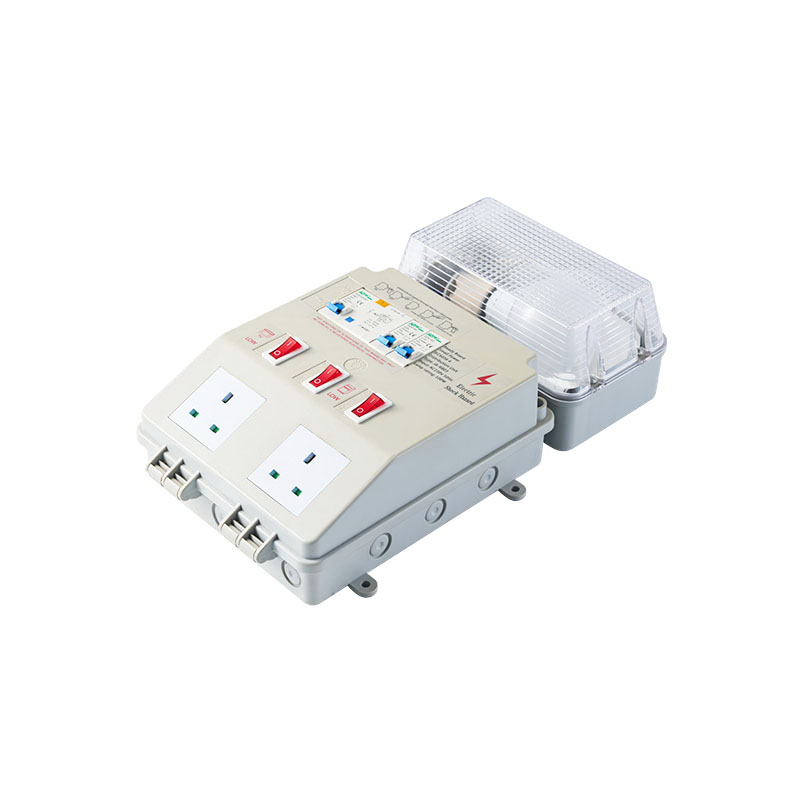
What Factors Affect MCB Protection Performance
A circuit breaker does not work in isolation. How it performs depends on the circuit around it, the way it is installed, and the condition of the equipment connected to it.
A Low Voltage MCB may respond well in one system and feel less stable in another when wiring, load, or installation conditions are not suitable. That is why protection performance is usually checked together with the rest of the electrical setup.
Internal structure is one factor. Parts inside the breaker need to work together without unnecessary friction or delay. When the internal arrangement stays steady, the response to an abnormal circuit condition becomes easier to manage.
Installation also matters. A breaker mounted in a loose or crowded position may face extra stress from the surrounding panel or wiring. That kind of pressure can affect normal operation over time.
Maintenance condition is another point. Dust, loose terminals, or signs of heating around the breaker often show that something in the circuit needs attention.
A few practical checks often help:
- whether the breaker matches the circuit load
- whether the wiring stays secure
- whether the surrounding area stays in good condition
- whether the breaker shows repeated signs of stress
| Influencing Factor | Practical Consideration |
|---|---|
| Circuit condition | Needs to match the protection device |
| Installation method | Affects normal operation |
| Surrounding environment | May change equipment condition |
| Maintenance work | Helps identify possible issues |
A breaker can only respond well when the system around it is also in good condition. Protection is built through the whole electrical arrangement, not through one part alone.
How Does An MCB Factory Control Product Reliability
A breaker may look small, although the work behind it includes several production steps that affect later use. Material condition, assembly accuracy, and inspection all shape how the finished product behaves after installation.
An MCB Factory usually manages quality by checking each stage in order. Material preparation comes before assembly, and assembly comes before final inspection. When one part changes, the result may show up later during circuit use.
Material selection is part of that process. Internal parts need to hold their shape and support steady operation. If a component is not consistent, the breaker may not respond in the same way from one unit to another.
Assembly also needs careful work. Parts inside the breaker must fit properly, or the protection response may become less predictable. Small differences during assembly can matter more than they seem.
Inspection helps catch issues before products leave the factory. Checking appearance, connection condition, and operating response gives the manufacturer a clearer view of product stability.
Common production points include:
- incoming material check
- assembly control
- operation inspection
- production record review
An MCB Factory also needs to understand where the breaker will be used. A product for a home circuit may face different conditions from one used in a commercial panel or an industrial control area. Clear communication about the application helps the factory match production with real needs.
Where Are Low Voltage MCBs Used In Electrical Systems
Protection devices are used in many places because circuit problems can appear in different settings. A home, a shop, and a production room may all need protection, though the exact use can differ.
Residential Buildings
Homes usually contain lighting circuits, socket circuits, and several appliances working at the same time. When current changes in an unusual way, the breaker helps separate the circuit so the problem can be checked.
Commercial Facilities
Offices, stores, and service areas often use electrical systems that stay active for long hours. The breaker helps protect individual circuits so one problem does not disturb everything connected to the panel.
Industrial Equipment Areas
Industrial spaces may bring more frequent load changes. Machines start, stop, and shift their electrical demand during normal work, so circuit protection becomes part of daily equipment management.
In each place, the role stays similar even when the application changes. A Low Voltage MCB responds when the circuit moves away from normal working conditions and helps keep the system under control.
Why Is Regular Inspection Important For Circuit Protection
A breaker can stay in place for a long time, although the circuit around it may change. Wires loosen, equipment ages, and load conditions may shift with time. Regular inspection helps catch those changes early.
Maintenance workers often pay attention to simple signs such as:
- heating around the breaker
- repeated tripping
- loose connection points
- visible damage on nearby parts
A breaker that trips again and again may be showing a problem in the circuit rather than a problem with the breaker itself. The cause can come from wiring, connected equipment, or a load that has changed over time.
Regular inspection does not need to be complicated. Checking connections, looking for damage, and watching for unusual signs can give useful information before a larger issue appears.
What Should Buyers Consider When Choosing An MCB Supplier
Selecting a breaker supplier is often part of a larger electrical planning process. The buyer needs to know whether the product fits the circuit, the installation area, and the expected working condition.
Useful points often include:
- circuit type
- installation environment
- product information
- manufacturing approach
- communication during selection
An MCB Factory that explains production and application details clearly can make the selection process easier. Buyers usually need enough information to judge whether the device matches the electrical system they are working with.
A suitable protection device is not only about appearance or general product description. It is about whether the breaker can work with the circuit condition, installation method, and maintenance routine already in place.
Electrical protection depends on steady matching between equipment and application. When that match is done well, abnormal circuit conditions can be handled in a more controlled way during everyday use.
CONTACT
 Unit 2, Building 18, Phase II, Dongtou Emergency Industrial Park, Wenzhou, Zhejiang Province, China
 +86-13587789751
 junwei@jvele.com
KEEP IN TOUCH
Copyright © Zhejiang Junwei Electric Co., Ltd. All Rights Reserved
Record number:浙ICP备09058387号
Junwei Electric Component Manufacturer
