


 English
 Français
 عربى

Home / News / Industry News / Insulation Piercing Connector Kits: Define Caps and Included Accessories
Industry News


Insulation Piercing Connector Kits: Define Caps and Included Accessories
2026-10-23
An insulation piercing connector quotation may show caps and attached parts without explaining which components are included in each ordered unit. IPC accessory kits need a precise contents record so that buyers can compare offers, receive complete packages and request compatible replacement parts. The photograph should support that record rather than serve as the entire specification.
For utility procurement teams and electrical distributors, this is a product identification and supply-scope review. It does not replace connector selection, approved installation procedures or the responsible engineering assessment. A complete accessory bag cannot establish electrical suitability or performance by itself.

What is included in one connector kit?
Identify the connector before defining the kit
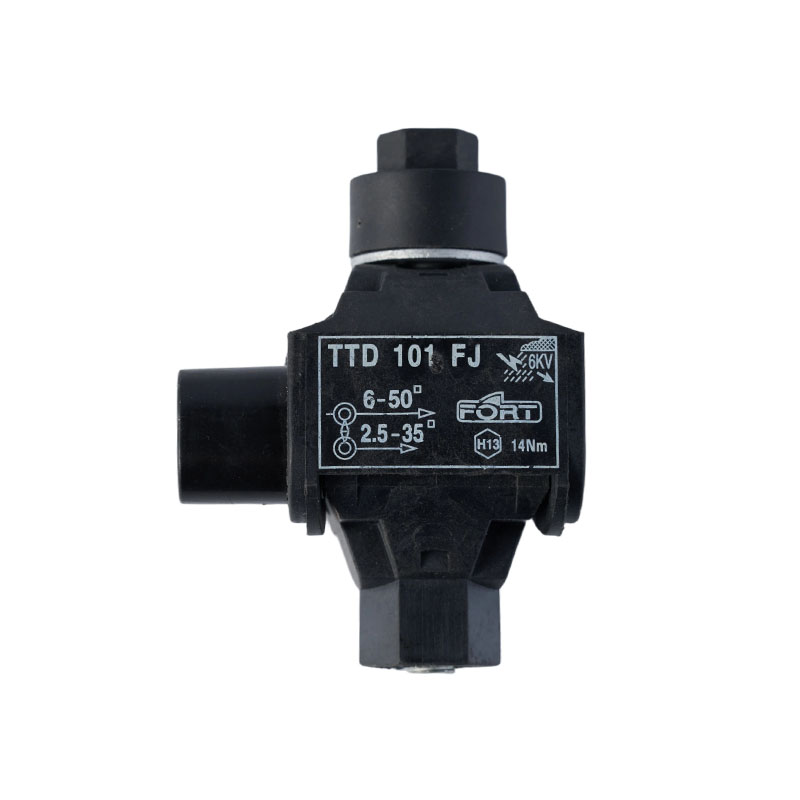
Select the exact product from the insulation piercing connector range and record its model and version. Keep the connector reference beside the relevant application specification supplied by the responsible project team. Similar housings can contain different internal arrangements or support different approved applications.
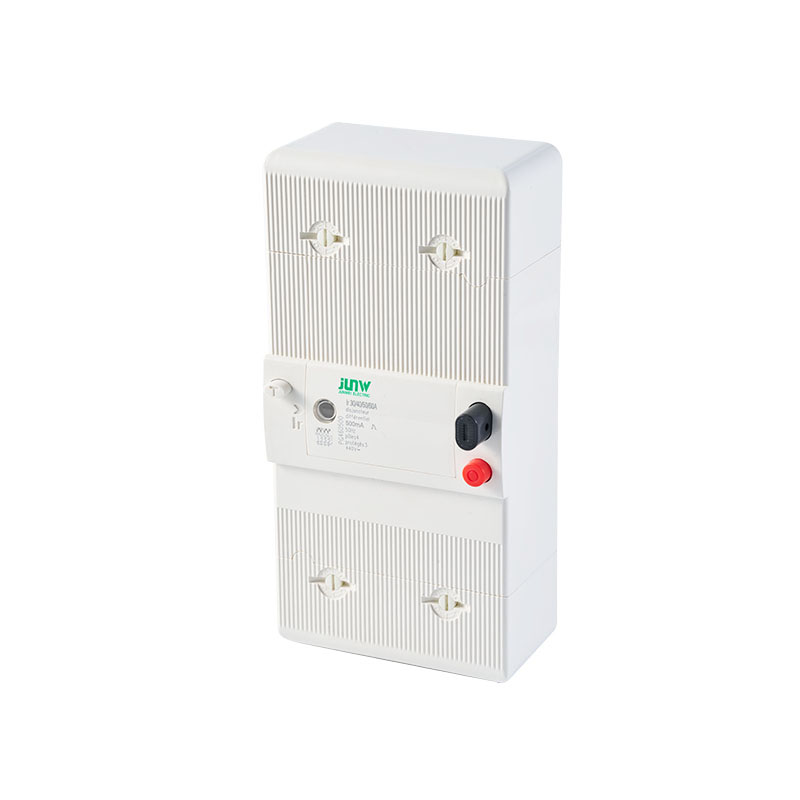
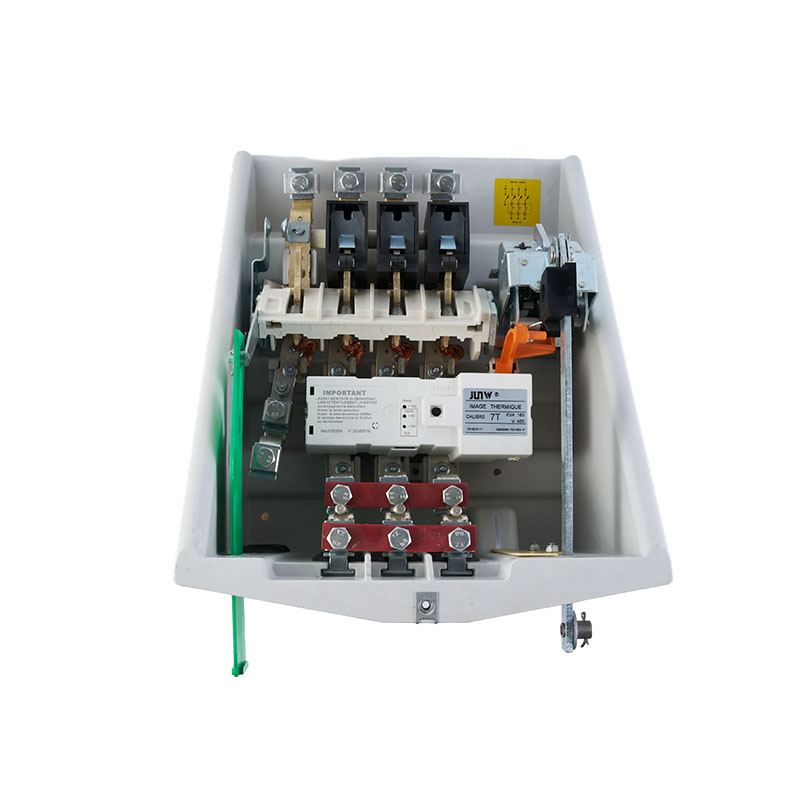
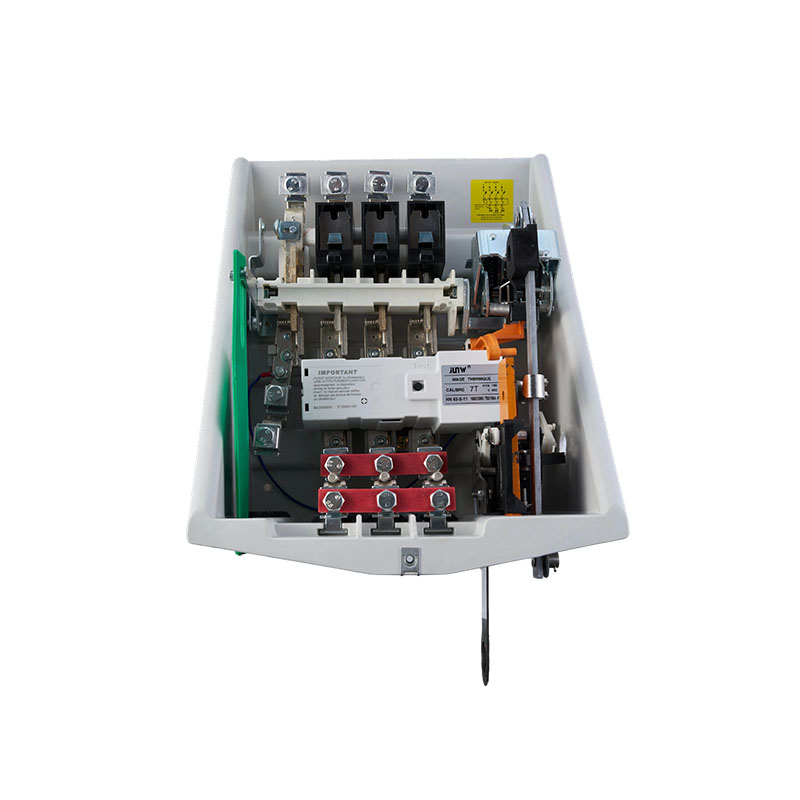
Ask the supplier to identify the components shown in the model's product image. Distinguish factory-fitted elements, attached accessories, separately packed parts and optional extras. If several versions appear together, request a contents record for the ordered version rather than assuming all photographed items belong to one kit.
Do not transfer component details from one connector to another because the colour or overall shape looks similar. A model-specific photograph, drawing and parts list give the receiving team a firmer basis for identifying the actual delivered item.
Clarify the insulation piercing connector caps
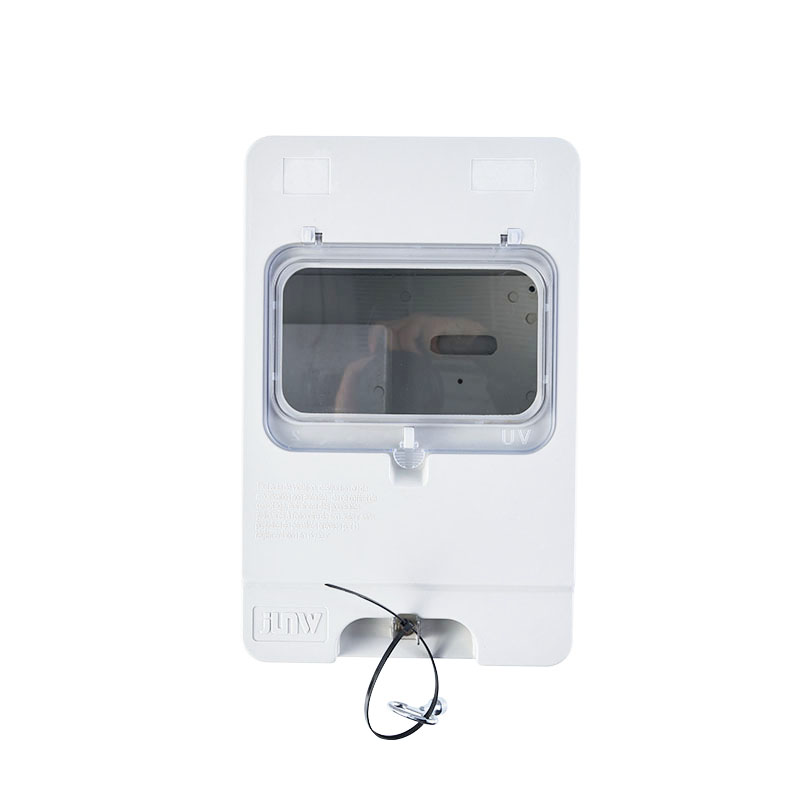
Insulation piercing connector caps should be identified by function, compatible model and supplied arrangement. Ask whether the cap is attached, separately packed, integrated into a component or offered as an option. Record the quantity associated with each complete connector unit.
Where a tether is visible, ask whether that exact arrangement is supplied for the ordered model. Do not treat a tether, a similar external shape or the presence of a cap as proof of a particular ingress protection level. Performance claims need evidence that applies to the complete specified assembly.
If a cap is intended for a defined conductor-end arrangement, obtain the manufacturer's approved application information through the project team. The procurement record should identify the correct component without turning a packing checklist into electrical installation instructions.
Separate the standard unit from optional accessories
A useful quotation states what one purchased unit contains. Ask whether the listed price covers the connector assembly alone or includes all items required within the manufacturer's defined supply scope. Keep project-supplied items separate from factory-supplied components.
Clarify whether any special components are ordered independently and whether they have their own minimum quantities. A bulk order can otherwise contain the required connector quantity but too few separately supplied accessories. The issue is easier to resolve while the quotation is being prepared.
If an accessory is offered as an alternative, record the conditions for choosing it and who approves the selection. Avoid a packing instruction that allows any apparently similar cap to be substituted. Compatibility should be confirmed against the manufacturer's component information.
What evidence and identification belong with it?
Make the IPC packing list specific
| Packing field | Detail to record | Purpose |
|---|---|---|
| Connector identity | Model, version and order reference | Identifies the purchased assembly |
| Factory-fitted parts | Components supplied as part of the unit | Defines the normal receiving condition |
| Separate accessories | References and quantity per unit | Supports a complete contents check |
| Cap arrangement | Type, compatible model and supplied location | Avoids mixing similar components |
| Optional items | Separately ordered references and quantity | Clarifies the quotation scope |
| Documents | Applicable product and instruction versions | Connects parts to approved information |
The IPC packing list should distinguish a unit count from an accessory count. A carton containing many connectors and loose caps needs an agreed way to establish completeness without mixing parts from different models. Ask how inner packaging will preserve that identification.
Match claims to the actual tested arrangement
When the project calls for performance evidence, request the applicable report or declaration for the exact connector configuration. The record should identify the model, relevant components and scope. A general catalogue statement should not be treated as proof for every accessory combination.
Keep mechanical completeness, electrical performance and environmental protection as separate review questions. Finding a cap in the package confirms its presence; it does not prove that the complete product meets an unspecified waterproof requirement. Use the project's defined acceptance criteria and obtain supplier clarification where necessary.
Do not add a generic rating to retail labels or distributor data simply because a similar connector carries it. The wording should correspond to supported product evidence. Any unresolved discrepancy between the label, drawing and report should be settled before the order is released.
Check identification at receiving and during storage
Agree the model and lot information that will appear on the outer carton, inner packaging and product where applicable. Receiving staff should be able to compare the delivered stock with the purchase order without relying on appearance alone.
Inspect packaging and component condition according to the agreed receiving procedure. Record missing, damaged or unidentified parts before stock is distributed. Do not reconstruct a kit from assorted loose accessories unless the supplier has confirmed their compatibility and the responsible team approves the resolution.
Retain the manufacturer's storage instructions and keep compatible parts together. A well-labelled replacement component is more useful than a generic bag marked connector caps, particularly when several similar models are held in the same warehouse.
Release the agreed supply scope
Preserve the component record for repeat orders
Ask how component changes will be communicated. A revised cap or housing may need a new identification reference even if the main product name stays the same. Keep the approved parts record and document revision with the order history.
For service enquiries, provide the original model, lot details and clear photographs. Request the supplier's confirmed replacement reference rather than choosing a cap by approximate size. Whether a component may be replaced in a particular application is a separate question for the approved product guidance and qualified project personnel.
Release a clear kit specification
- Identify the exact connector and version.
- List fitted, attached and separately supplied parts.
- Confirm cap references and quantities per complete unit.
- Keep optional accessories visible in the quotation.
- Check product claims against configuration-specific evidence.
- Retain packing, identification and replacement records.
A complete kit definition gives procurement and receiving teams a common reference. Send the model selection and required supply scope together so that quotation, packaging and future replacement enquiries all refer to the same connector assembly.
CONTACT
 Unit 2, Building 18, Phase II, Dongtou Emergency Industrial Park, Wenzhou, Zhejiang Province, China
 +86-13587789751
 junwei@jvele.com
KEEP IN TOUCH
Copyright © Zhejiang Junwei Electric Co., Ltd. All Rights Reserved
Record number:浙ICP备09058387号
Junwei Electric Component Manufacturer
