


 English
 Français
 عربى

Industry News


A Residual-Current Breaker Has More Than One Current Rating
2026-11-13
The current rating used to select a circuit breaker is not always the current threshold used by its residual-current function. Confusing those quantities can turn a quotation into the wrong protection specification. The units may both involve amperes, but the functions and markings need to be read separately.
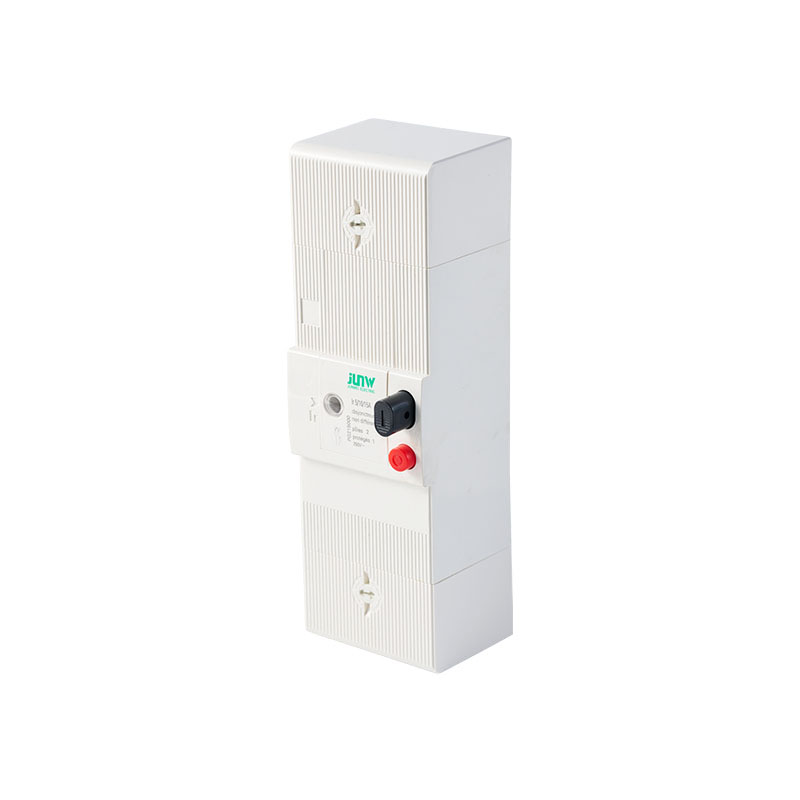
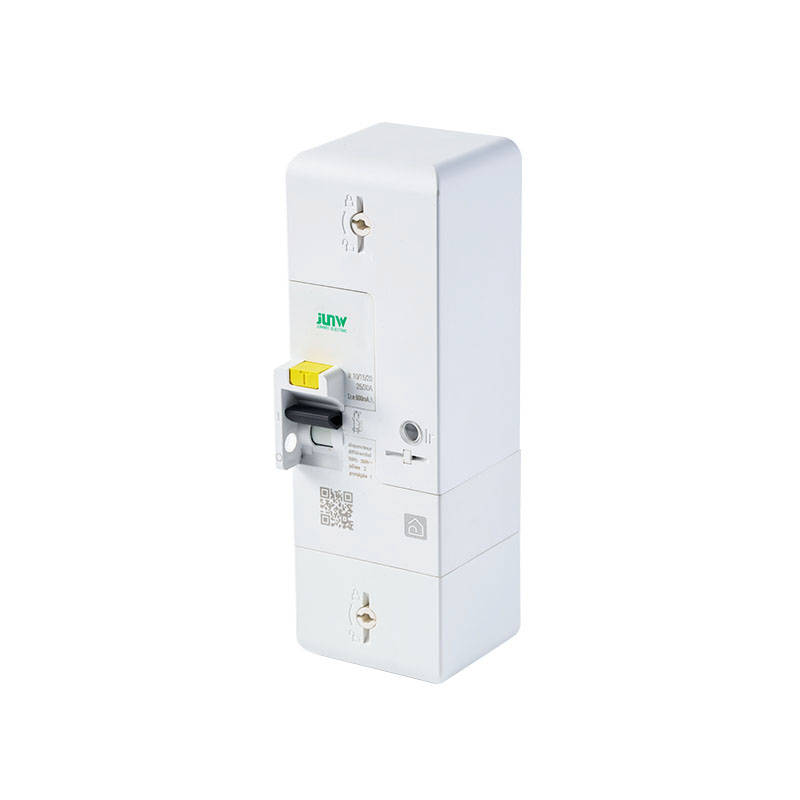
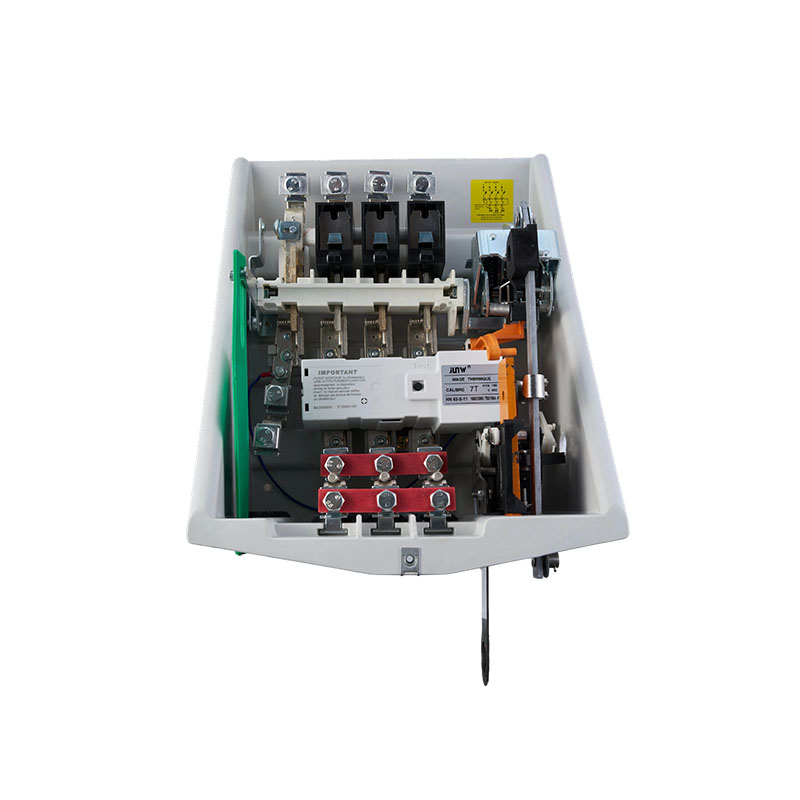
The JUNW PG residual-current French differential circuit-breaker range provides a concrete example for a purchasing review. The selected product has a rotary operating control and a test button. Those visible features help identify the version, but they do not tell the buyer every rating or prove suitability for a particular electrical installation.
Read the function before the number
Rated operating current
A rated current marking relates to the device's specified current-carrying and protective characteristics under its applicable conditions. It is not an instruction to use the device at any load or in any enclosure. Selection also depends on the installation, conductor protection requirements and the device's approved application.
Rated residual operating current
The residual-current function responds to an imbalance associated with current leaving the intended circuit path. Its rated residual operating current is a different quantity from the device's main current rating. A buyer should keep both names and units visible in the order specification rather than shorten them to “current.”
These explanations are for reading the product information. A qualified electrical designer or installer must select protection for the actual installation and applicable local requirements. A blog article cannot determine that selection from a product photograph or a general description of the load.
Make a marking record for the exact version
The PG residual-current differential circuit breaker is offered within a broader product family. Confirm the actual pole configuration, voltage, rated current, residual-current characteristics and other required ratings from the supplied technical documentation. Do not carry values from another PG version into the order because its housing looks the same.
| Marking or document item | What the buyer should preserve | Common ambiguity |
|---|---|---|
| Main current rating | Full designation and units | Mixed with residual operating current |
| Residual-current rating | Exact characteristic and units | Reduced to an unexplained number |
| Pole configuration | Specified arrangement | Selected from appearance alone |
| Voltage and frequency | Applicable rated conditions | Assumed from the destination country |
| Test instructions | Method and stated conditions | Treated as a complete installation test |
Other characteristics can be essential, including the type of residual-current response and coordination with the installation. Ask the supplier for the applicable documents and have the responsible electrical professional review them. An available catalogue option is not automatically the required option for the project.
A test button answers a limited question
The test button is part of the manufacturer's specified functional checking arrangement. It should be used only under the conditions and procedure given for the device. Its presence is not proof that the installation's earthing, wiring and protective coordination are correct.
Avoid demonstrating a device with improvised live wiring at a purchasing desk. Product checks involving electrical supply belong to qualified personnel using appropriate equipment and procedures. For a catalogue review, clear photographs of the markings and a complete data sheet are safer and often more useful than an informal test video.
Keep the quotation fields separate
- Product family and complete model designation.
- Pole arrangement and rated supply conditions.
- Main current rating and applicable adjustment information.
- Residual-current characteristic and rated residual operating current.
- Required documentation, destination requirements and marking language.
If the order uses an adjustable version, identify what is adjustable and how the supplied setting is controlled. Do not infer adjustment ranges from another product in the series. The responsible installer needs the correct instructions for the actual device, not a generic family brochure with several incompatible options.
Check the paperwork against the delivered markings
At receiving, compare the device identification with the approved specification. Review carton labels, product markings and documentation together. A matching carton description does not resolve a discrepancy on the device itself. Keep uncertain units or abbreviations open for clarification rather than approving them because the dimensions are correct.
Where an alternative is proposed, ask which characteristics change. Similar mounting geometry is only one aspect of compatibility. The electrical ratings, protective characteristics and applicable approvals need review through the project's normal technical process before substitution is accepted.
Photographs should be close enough to read the markings but should also identify which device was photographed. Retain the sample or batch reference with the image. Otherwise, a clear label picture can become detached from the shipment it was meant to document.
Language and unit presentation also deserve a receiving check. A translation should preserve the technical distinction between the main current and residual-current quantities rather than simplify both into one local-language label. Compare any private-label carton or manual with the approved technical data before printing. Where a marking is unclear, request clarification from the manufacturer rather than expand an abbreviation from memory. A small wording change can alter how a buyer interprets a protective characteristic, even though the physical device and the numbers printed on it have not changed.
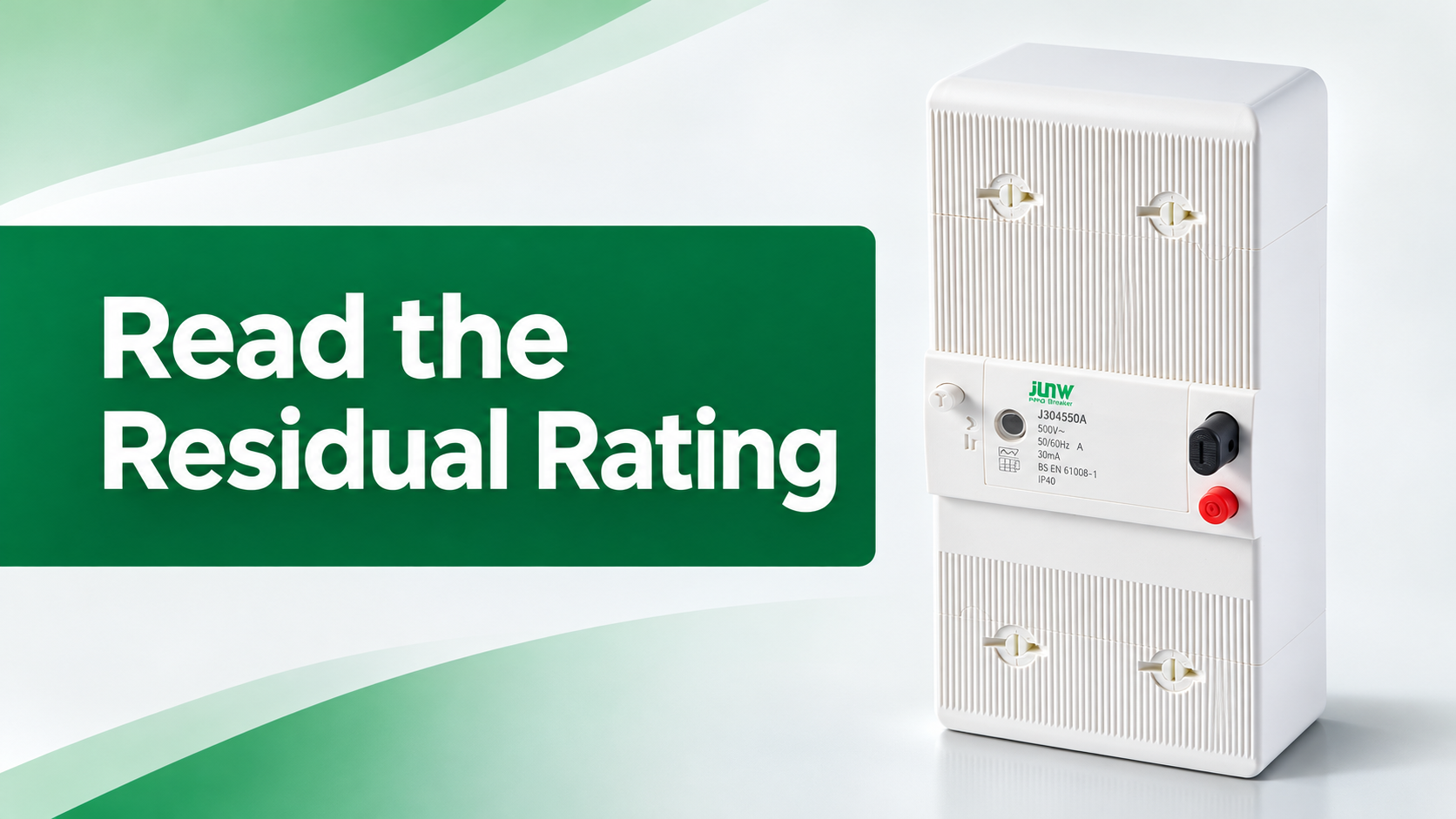
A clearer rating description prevents an avoidable mismatch
The purchasing goal is a specification that preserves the different electrical quantities and their meanings. “PG breaker, same current as the sample” is too vague if the sample carries several current-related markings. Name the function, record the value and keep the supporting data sheet with the order.
That practice helps the supplier quote the intended version and gives the project's electrical professional the information needed for final selection. The product's compact housing may look simple, but its ratings deserve to remain distinct from the first enquiry through installation documentation.
CONTACT
 Unit 2, Building 18, Phase II, Dongtou Emergency Industrial Park, Wenzhou, Zhejiang Province, China
 +86-13587789751
 junwei@jvele.com
KEEP IN TOUCH
Copyright © Zhejiang Junwei Electric Co., Ltd. All Rights Reserved
Record number:浙ICP备09058387号
Junwei Electric Component Manufacturer
